Wildfire Mitigation Specialist
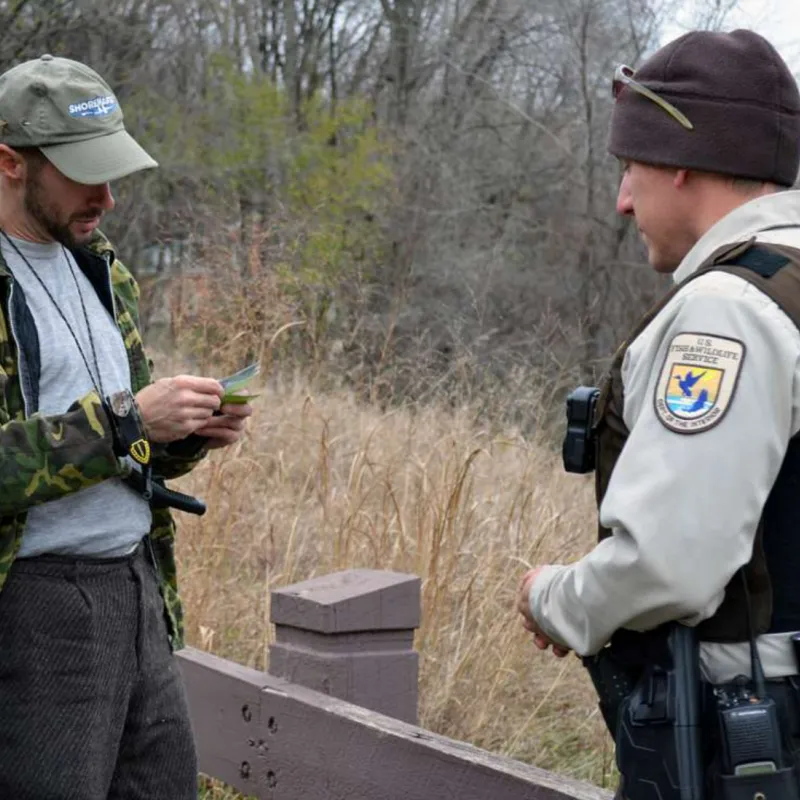
Wildfire Mitigation Specialists work to reduce the risk and severity of wildfires before they start. They focus on making communities, landscapes, and forests more resilient to fire by identifying hazards and implementing prevention strategies. This can include reducing overgrown vegetation (fuel), improving defensible space around homes, supporting prescribed burns, and educating the public about wildfire preparedness. These professionals play a critical role in protecting both people and ecosystems by helping fire-prone areas become safer and more fire-adapted.
A Day in the Job
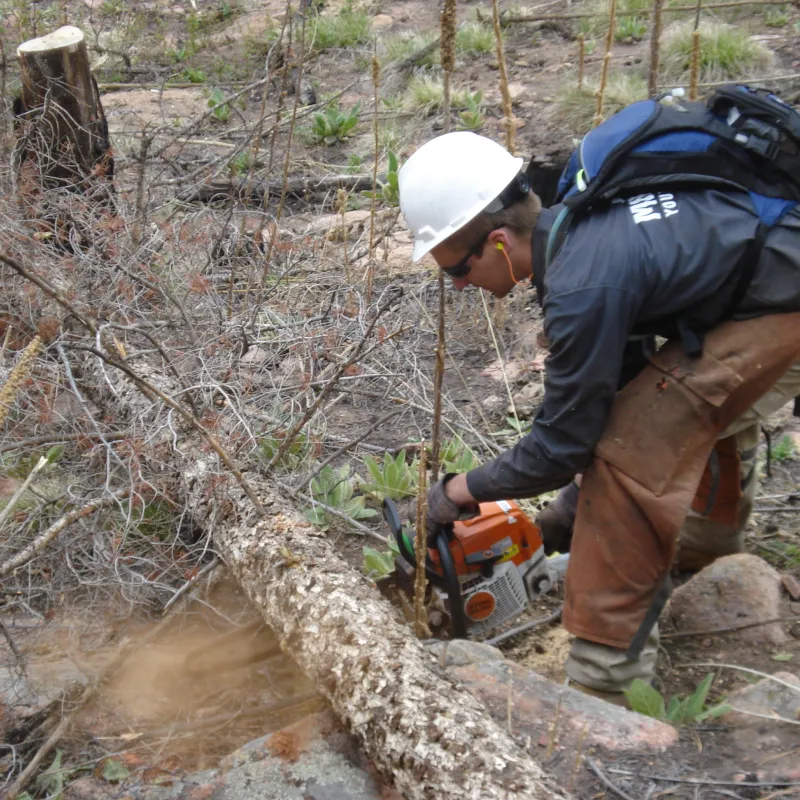
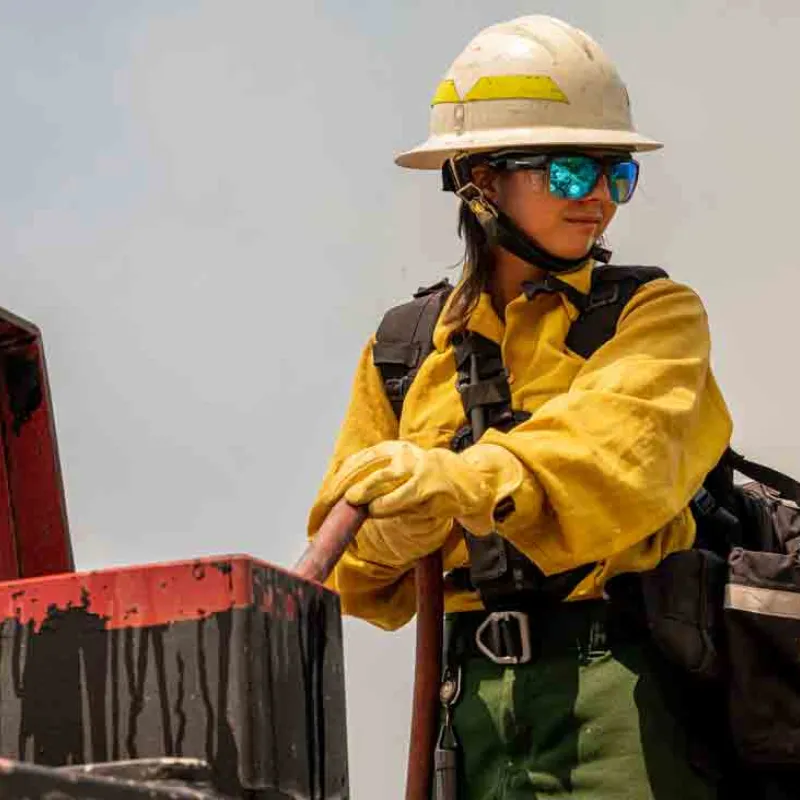
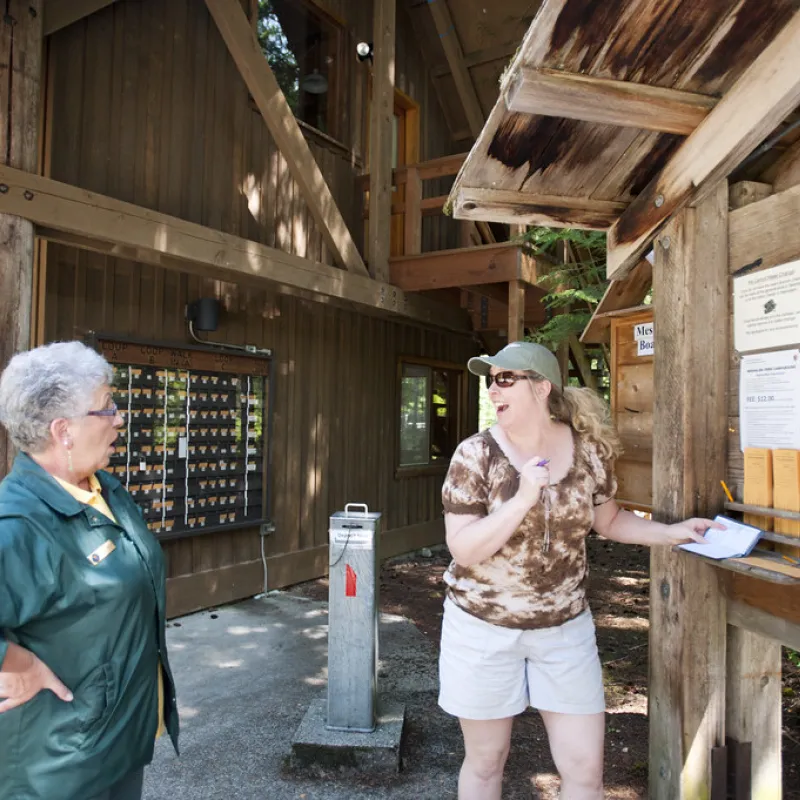
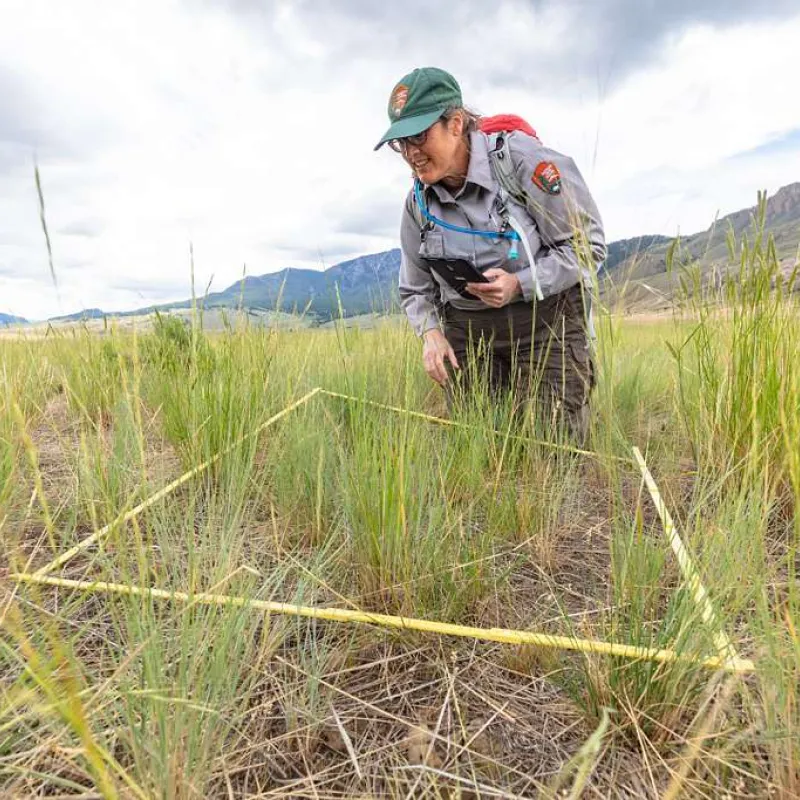
A Wildfire Mitigation Specialist’s day is a mix of fieldwork, planning, and community engagement. In the field, they may assess wildfire risk around neighborhoods, campgrounds, or forested areas by evaluating vegetation density, slope, and proximity to structures. They often recommend or oversee fuel reduction projects such as thinning trees, clearing brush, or planning prescribed burns.
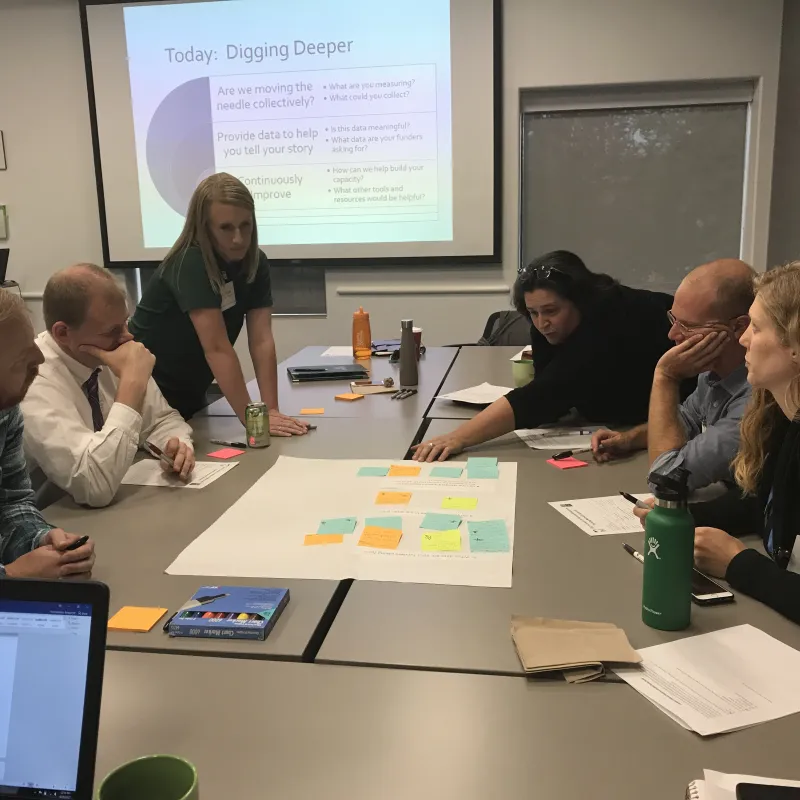
A large part of the job also involves working with landowners, community groups, and local governments to develop wildfire preparedness plans and promote defensible space practices. In the office, they may analyze risk data, map high-hazard areas using GIS, write reports, or coordinate mitigation projects with fire crews and land management agencies.
Work Takes Place
Skills
Career Categories
Protecting the Natural World Connecting People with Nature Investigating the Environment
Potential Employers
Federal Agencies
State Forestry and Wildfire Agencies
County and municipal fire departments or emergency management offices
Nonprofit conservation organizations and fire-adapted community programs
Related Opportunities
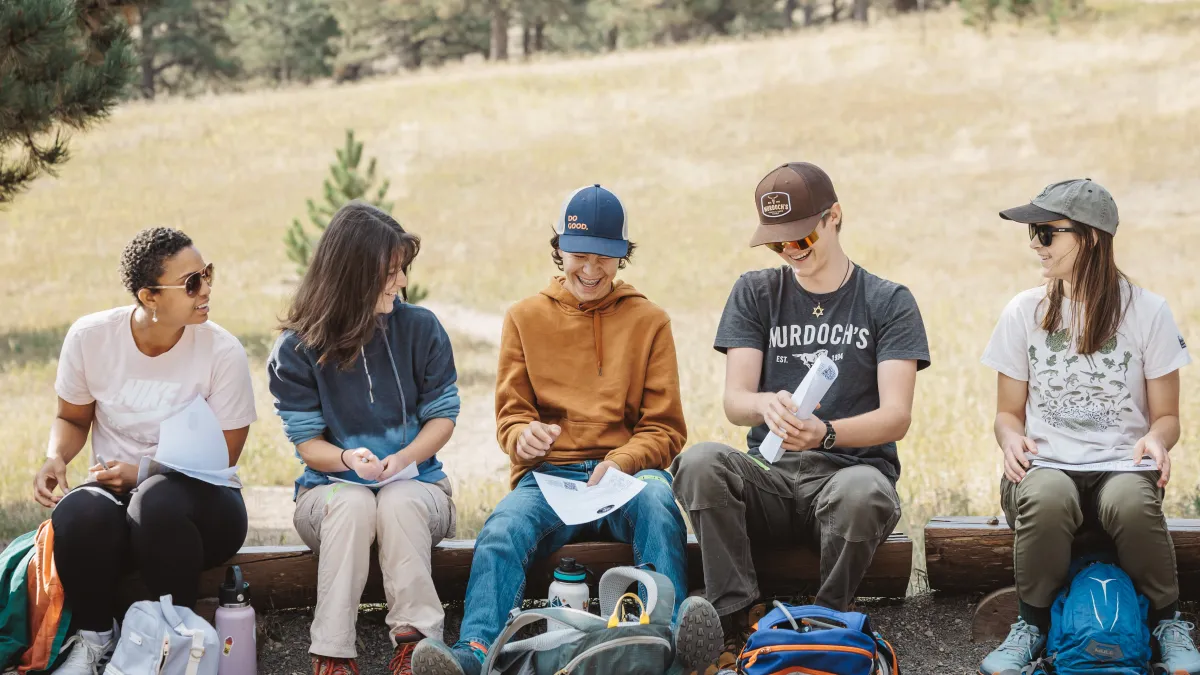

Cal-Wood Education Center
Jamestown, CO
Protecting the Natural World, Connecting People with Nature, Investigating the Environment
Seal of Climate Literacy Project, Learning Experiences, Stewardship Experiences, Summer Camps, Volunteer Positions, Seasonal Jobs, Part-time Jobs, Full-time Jobs
Rocky Mountain Youth Corps: outdoor leadership through conservation
Steamboat Springs, CO
Protecting the Natural World, Connecting People with Nature
Learning Experiences, Recreational Experiences, Stewardship Experiences, Volunteer Positions, Seasonal Jobs
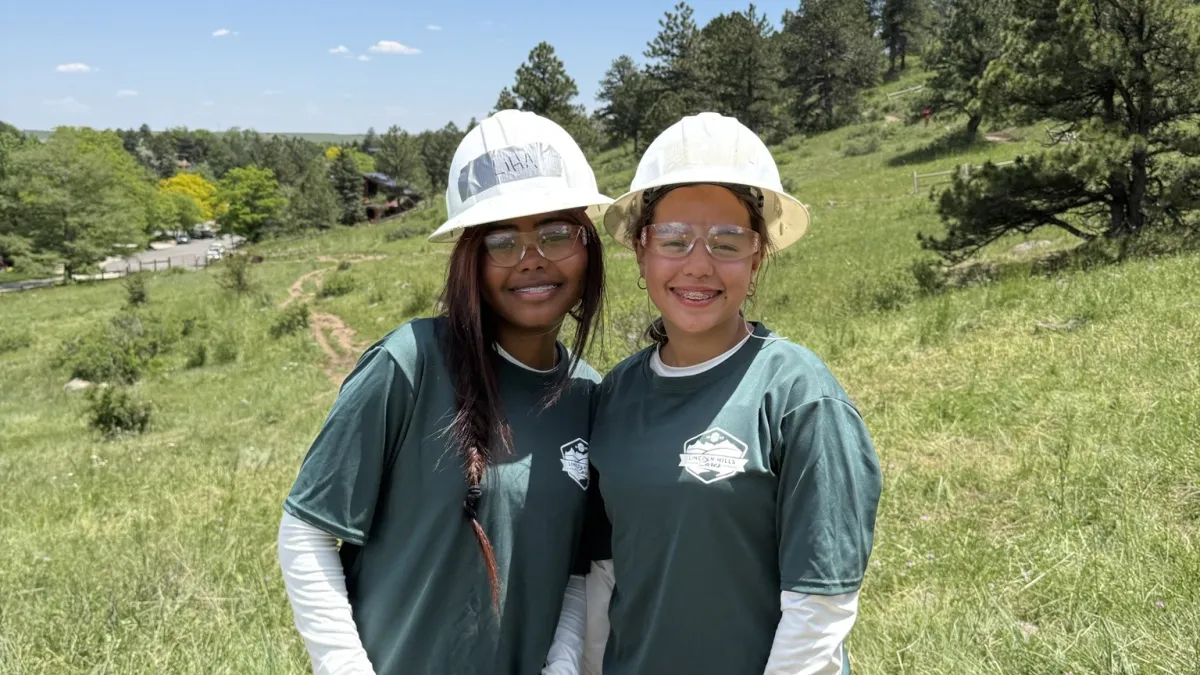
TeamWorks Crew Member
Multiple Cities, CO
Protecting the Natural World, Connecting People with Nature, Investigating the Environment
Paid internships, Seasonal Jobs