Hydrologist
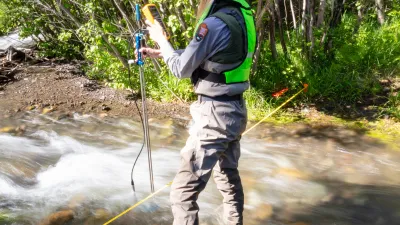
A hydrologist studies water systems in order to solve problems related to water quality and quantity. They study the way that rain, snow, and other forms of precipitation move across the land to bodies of surface water such as lakes and streams or the way precipitation moves through soil and rocks to underground water below the earth’s surface. Hydrologists analyze how changes to the environment influence water and how water changes the surrounding environment. A hydrologist may study water in order to control river flooding, to find water supplies for cities or farms, or to prevent or clean up pollution caused by contamination.
A Day in the Job
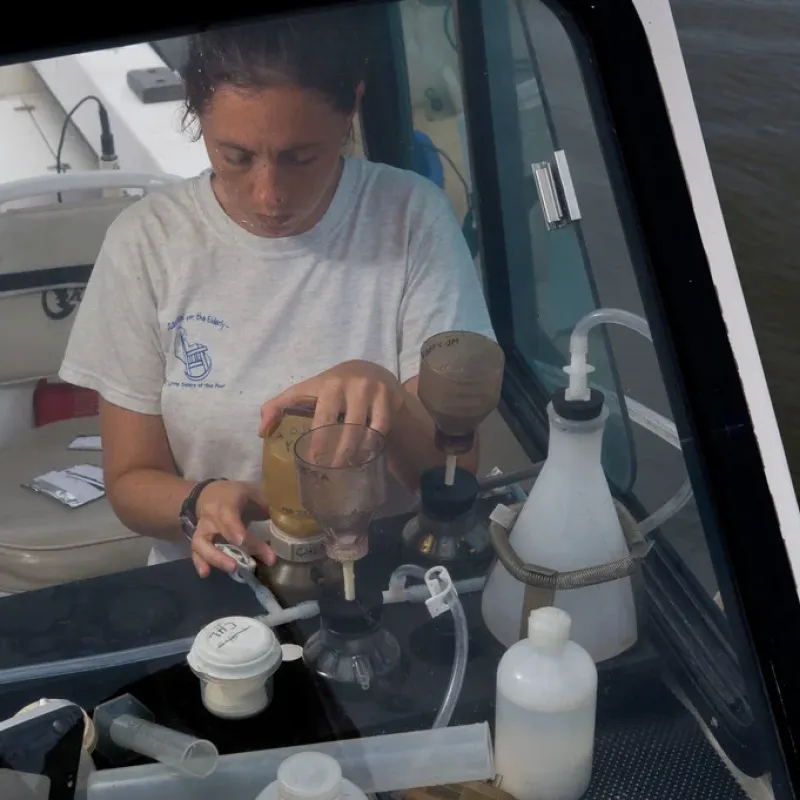
On a typical day, a hydrologist may collect water samples to test for volume, velocity, pH levels, and pollutant levels. They may also evaluate the suitability of new hydroelectric power plants, irrigation systems, and wastewater treatment facilities. Other job duties could include using computer models to forecast floods, the future of water supplies, or the spread of pollutants. Hydrologists also need to communicate their findings with others so they may be responsible for writing reports, preparing maps or data charts, and making oral presentations.
Work Takes Place
Skills
Career Categories
Protecting the Natural World Investigating the Environment
Potential Employers
Government agencies (federal, state, and local)
Engineering Companies
Scientific Consulting Companies
A Day in the Life
Colorado Women Who Work in Conservation
Related Blog Posts
Related Opportunities
Barr Lake State park
Brighton, CO
Connecting People with Nature
Recreational Experiences, Stewardship Experiences, Summer Camps, Volunteer Positions, Paid internships, Seasonal Jobs
Bluff Lake Nature Center
Denver, CO
Protecting the Natural World, Connecting People with Nature, Investigating the Environment
Learning Experiences, Stewardship Experiences, Summer Camps, Volunteer Positions, Unpaid Internships, Paid internships, Seasonal Jobs
City of Loveland Parks & Recreation
Loveland, CO
Protecting the Natural World, Connecting People with Nature, Investigating the Environment
Recreational Experiences, Stewardship Experiences, Volunteer Positions, Unpaid Internships
Colorado Department of Natural Resources
DENVER, CO
Protecting the Natural World, Connecting People with Nature, Investigating the Environment, Designing & Building Sustainably
Volunteer Positions, Seasonal Jobs
Colorado Parks and Wildlife
Denver, CO
Protecting the Natural World, Connecting People with Nature, Investigating the Environment
Recreational Experiences, Stewardship Experiences, Volunteer Positions, Paid internships, Seasonal Jobs, Part-time Jobs, Full-time Jobs
Colorado Trout Unlimited
Denver, CO
Protecting the Natural World, Investigating the Environment
Clubs, Recreational Experiences, Stewardship Experiences, Summer Camps
Douglas County Conservation District
Franktown, CO
Protecting the Natural World, Investigating the Environment, Designing & Building Sustainably, Shaping Policy
Recreational Experiences, Stewardship Experiences, Summer Camps, Volunteer Positions

Futures Lab, Poudre School District
Fort Collins, CO
Protecting the Natural World, Investigating the Environment
Learning Experiences


Seed Your Future
Alexandria, VA
Protecting the Natural World, Connecting People with Nature, Investigating the Environment, Designing & Building Sustainably, Shaping Policy, Bringing Green to Any Career
Learning Experiences, Volunteer Positions, Unpaid Internships
The Greenway Foundation
Denver, CO
Connecting People with Nature, Designing & Building Sustainably
Recreational Experiences, Stewardship Experiences, Unpaid Internships, Seasonal Jobs
Walking Mountains Science Center
Avon, CO
Protecting the Natural World, Connecting People with Nature, Investigating the Environment, Designing & Building Sustainably
Clubs, Recreational Experiences, Stewardship Experiences, Summer Camps, Paid internships, Seasonal Jobs