Environmental Educator
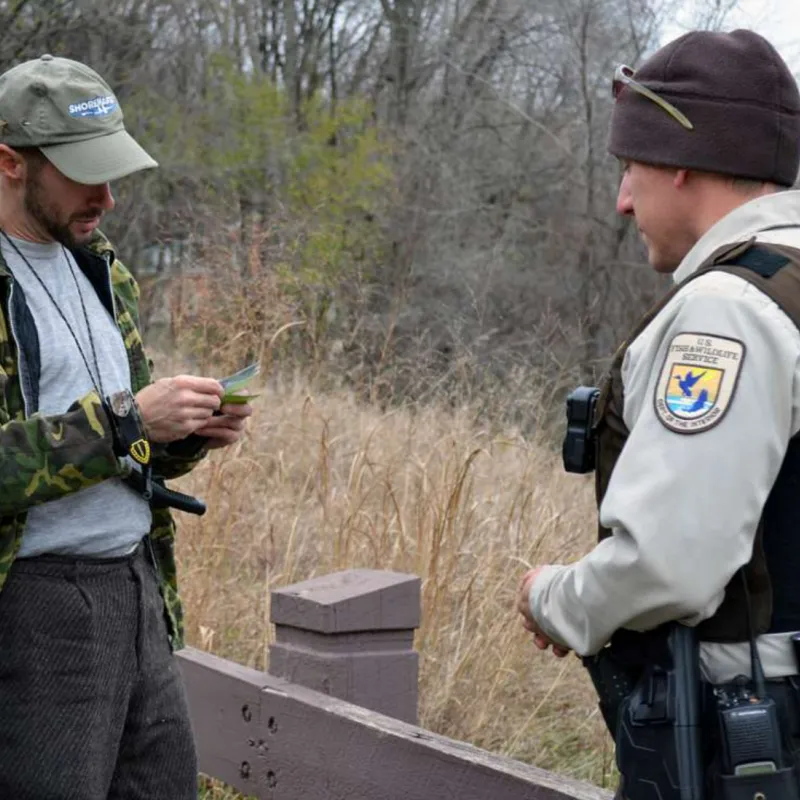
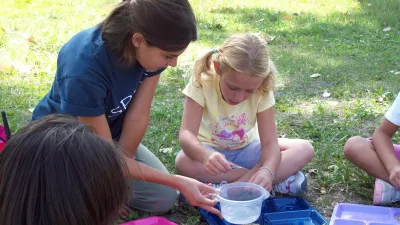
Environmental educators – also called park interpreters, interpretive guides or outreach specialists – plan, develop and conduct programs to inform the public about the historical, natural or scientific features of a park, open space or artifact.
A Day in the Job
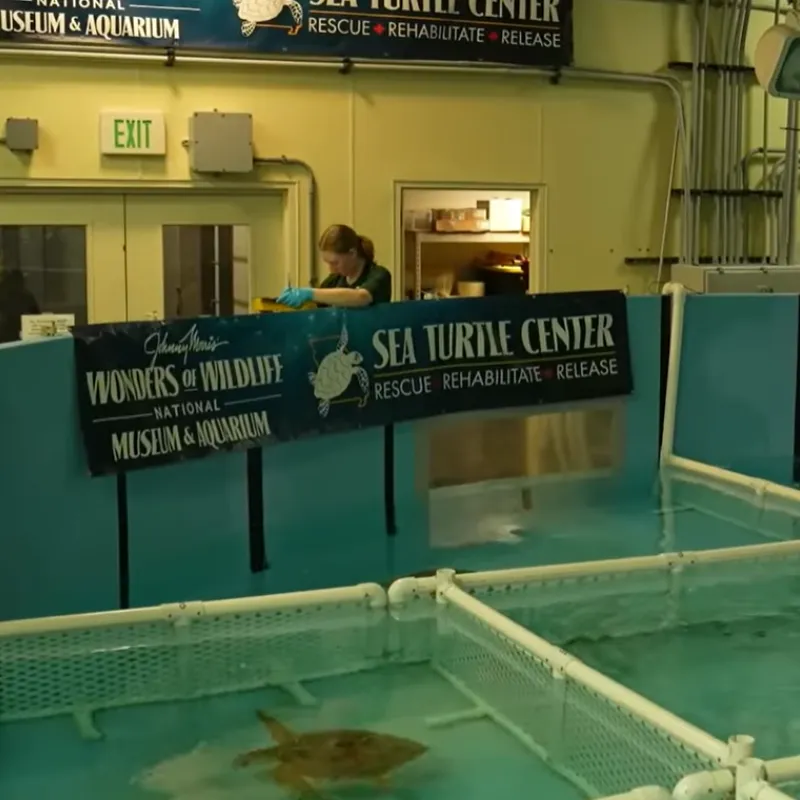
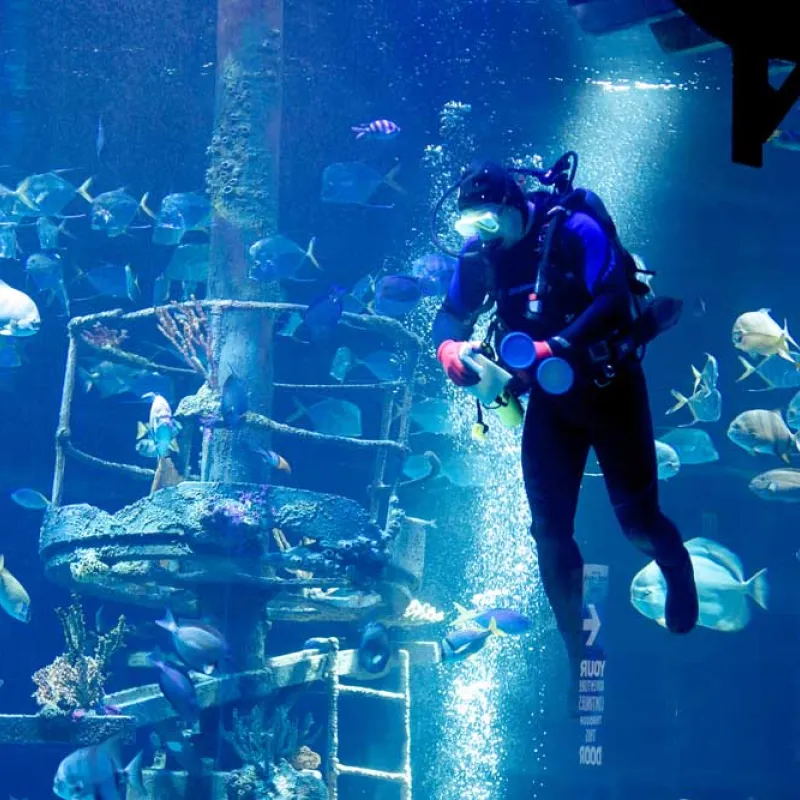
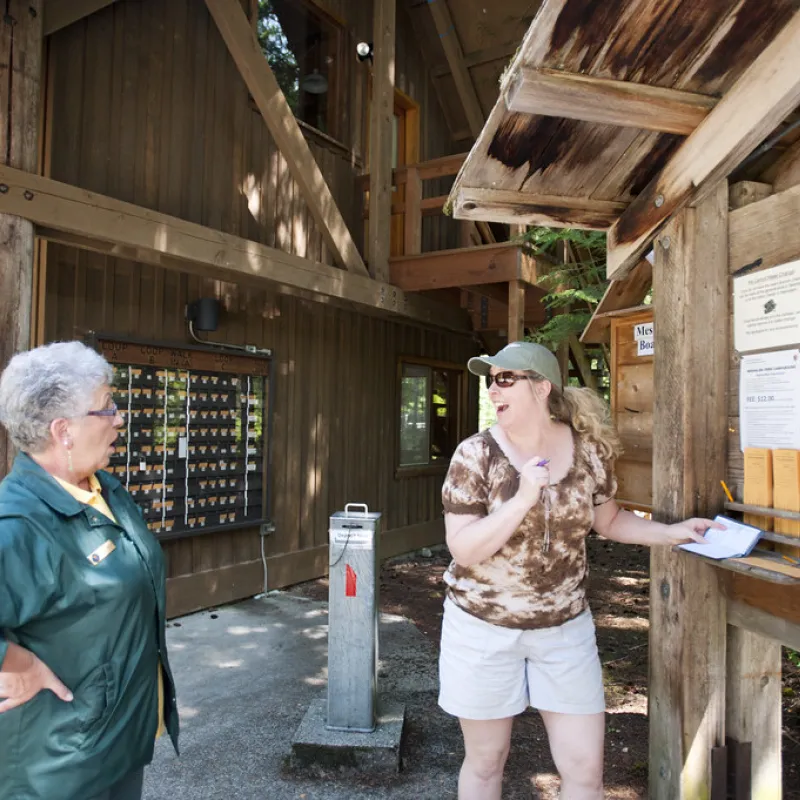
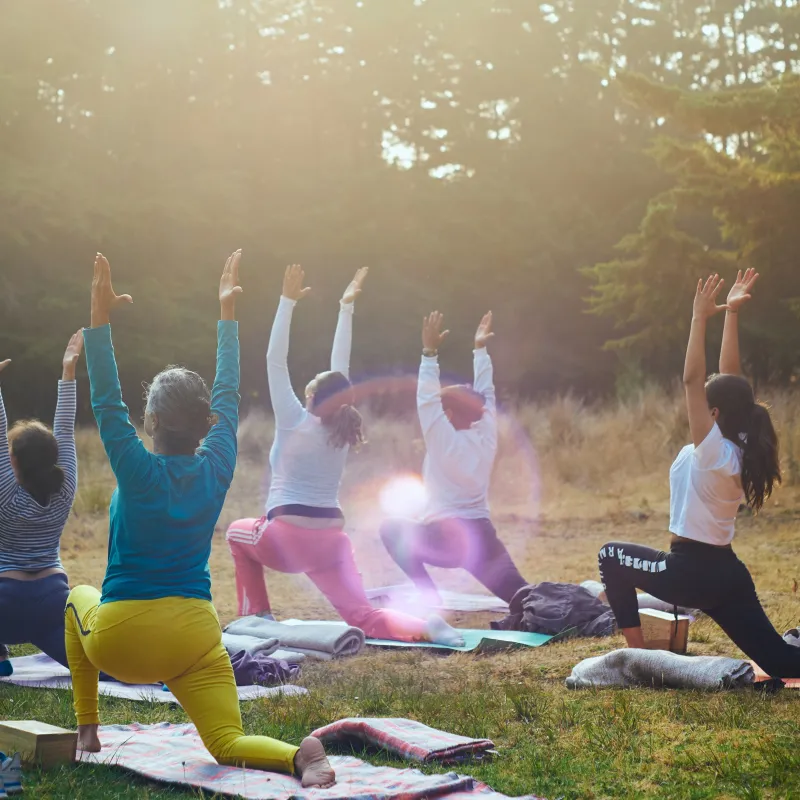
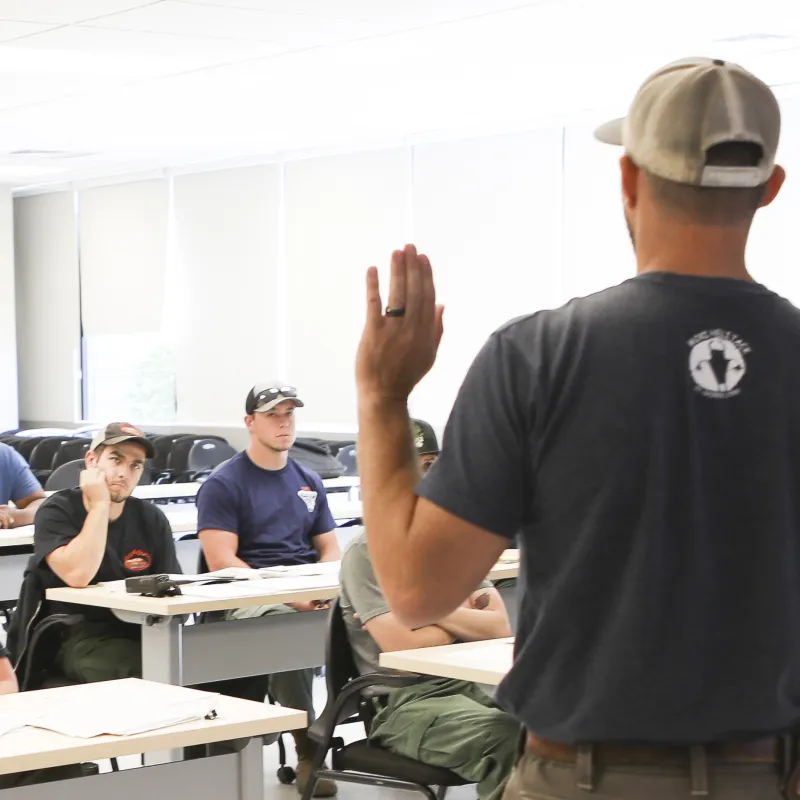
An environmental educator may spend his/her day providing visitor services by explaining regulations, answering visitor requests, needs, and complaints, and providing information about a park and surrounding areas. Other times an environmental educator may prepare and present illustrated lectures and interpretive talks about park features or conduct field trips to point out scientific, historic, and natural features of parks, forests, historic sites, or other attractions. Environmental educators also may prepare informational brochures and write newspaper articles. An environmental educator may work outside in a natural setting or indoors at a museum, aquarium, zoo, or at a school. Many environmental educators are seasonal positions with variable hours including those during evenings and weekends.
Work Takes Place
Skills
Career Category
Potential Employers
Federal agencies like the National Park Service
State and local wildlife and land management agencies
Museums, zoos, aquariums, nature centers
A Day in the Life
Meet an Urban Park Ranger
Imagine having a career where one day you’re leading wildlife field trips, the next you’re tracking endangered black-footed ferrets at night, teaching archery, helping fight wildfires, or releasing endangered animals back into the wild. Isis Rivera Lopez, Urban Park Ranger with the U.S. Fish and Wildlife Service, shares how growing up exploring rivers and climbing trees on her grandparents’ farm in Mexico inspired her passion for nature and eventually led her to a career at the Rocky Mountain Arsenal National Wildlife Refuge near Denver. Learn more about Isis's career journey and what it's like to be an Urban Park Ranger in her presentation at the Green Pathways: Careers That Matter event in 2026.
Related Blog Posts
Related Opportunities
Barr Lake State park
Brighton, CO
Connecting People with Nature
Recreational Experiences, Stewardship Experiences, Summer Camps, Volunteer Positions, Paid internships, Seasonal Jobs
Bird Conservancy of the Rockies
Brighton, CO
Protecting the Natural World, Investigating the Environment
Summer Camps, Volunteer Positions, Unpaid Internships, Seasonal Jobs, Full-time Jobs
Bluff Lake Nature Center
Denver, CO
Protecting the Natural World, Connecting People with Nature, Investigating the Environment
Learning Experiences, Stewardship Experiences, Summer Camps, Volunteer Positions, Unpaid Internships, Paid internships, Seasonal Jobs
Cal-Wood Education Center
Jamestown, CO
Protecting the Natural World, Connecting People with Nature, Investigating the Environment
Seal of Climate Literacy Project, Learning Experiences, Stewardship Experiences, Summer Camps, Volunteer Positions, Seasonal Jobs, Part-time Jobs, Full-time Jobs
City of Loveland Open Lands and Trails
Loveland, CO
Protecting the Natural World, Connecting People with Nature
Stewardship Experiences, Volunteer Positions, Unpaid Internships, Seasonal Jobs
City of Loveland Parks & Recreation
Loveland, CO
Protecting the Natural World, Connecting People with Nature, Investigating the Environment
Recreational Experiences, Stewardship Experiences, Volunteer Positions, Unpaid Internships
Colorado Parks and Wildlife
Denver, CO
Protecting the Natural World, Connecting People with Nature, Investigating the Environment
Recreational Experiences, Stewardship Experiences, Volunteer Positions, Paid internships, Seasonal Jobs, Part-time Jobs, Full-time Jobs

Colorado Trout Unlimited
Denver, CO
Protecting the Natural World, Investigating the Environment
Clubs, Recreational Experiences, Stewardship Experiences, Summer Camps
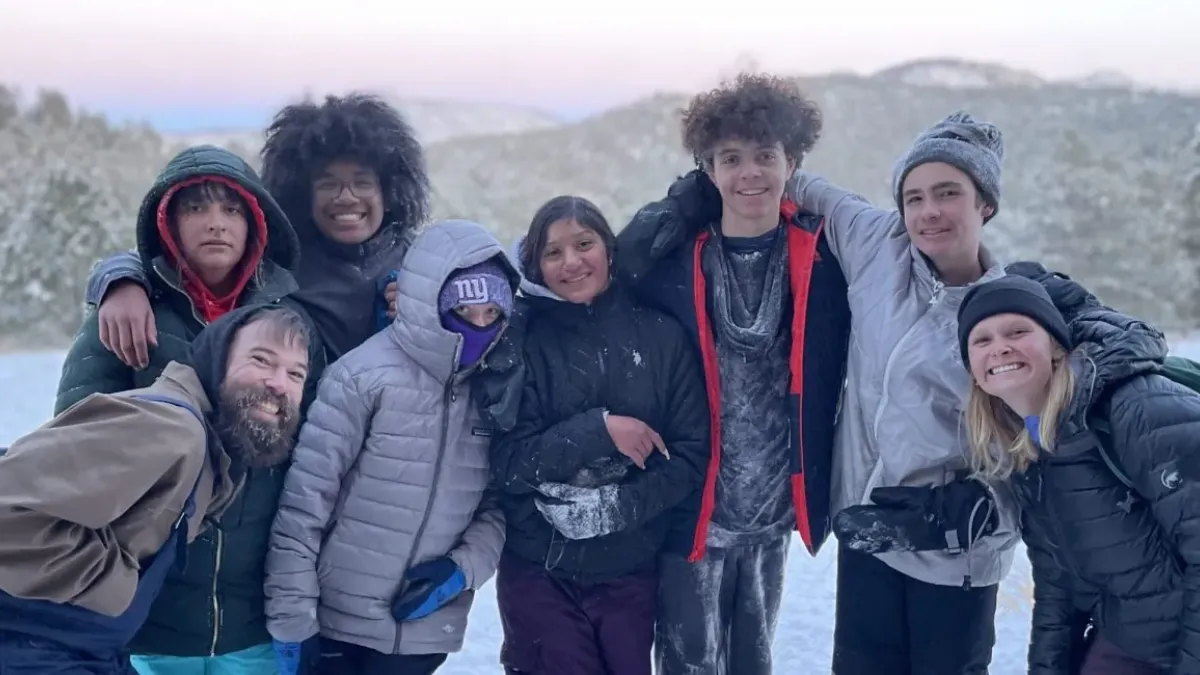

Cottonwood Institute
Denver, CO
Protecting the Natural World, Connecting People with Nature, Designing & Building Sustainably, Shaping Policy
Clubs, Recreational Experiences, Stewardship Experiences, Paid internships, Seasonal Jobs, Part-time Jobs

Denver Botanic Gardens
Denver, CO
Protecting the Natural World, Connecting People with Nature, Investigating the Environment, Designing & Building Sustainably
Summer Camps, Volunteer Positions, Unpaid Internships, Paid internships, Seasonal Jobs, Part-time Jobs, Full-time Jobs
Environmental Learning for Kids
Denver, CO
Connecting People with Nature
Clubs, Recreational Experiences, Stewardship Experiences, Volunteer Positions, Seasonal Jobs
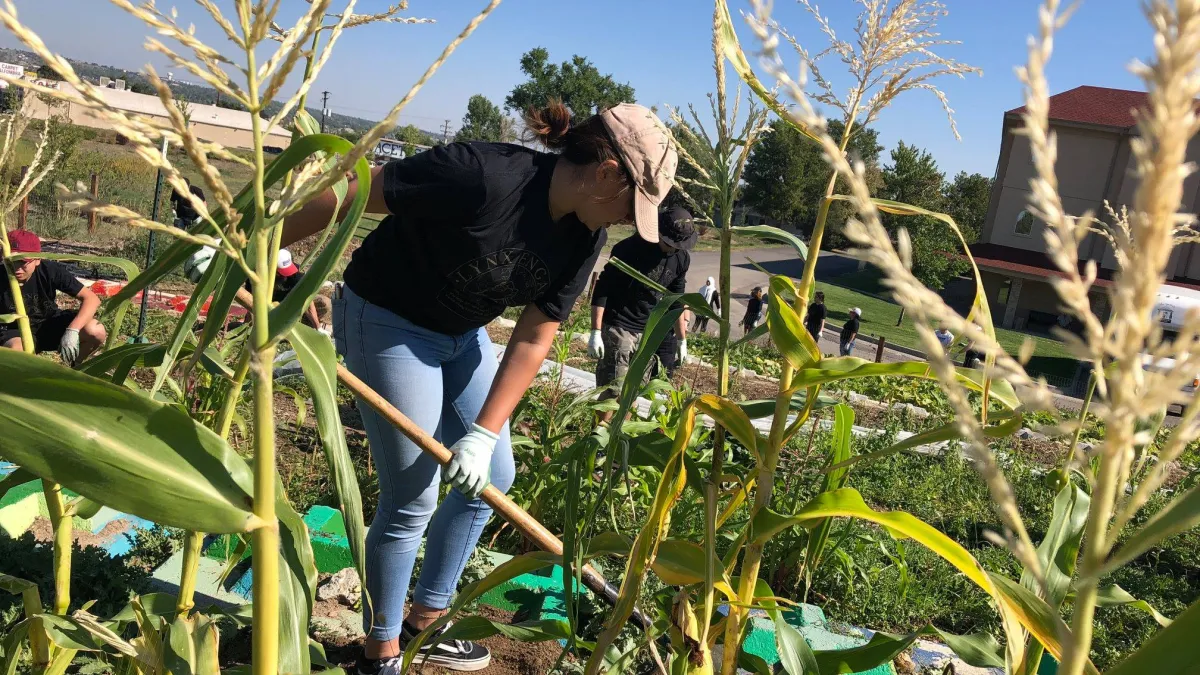
Groundwork Denver
Denver, CO
Protecting the Natural World, Investigating the Environment, Designing & Building Sustainably
Paid internships, Seasonal Jobs, Part-time Jobs