
Forests are full of life, and so are the people that care for them! Whether you’re drawn to outdoor fieldwork, science-based research, or working with communities, forestry offers opportunities for all kinds of interests and education levels.
In addition, forestry careers exist everywhere - from mountain forests and national parks, to city tree programs, to sawmills and wildfire crews. You’ll find everything from entry-level jobs you can start right away to roles that require specific degrees or specialized areas of study.
Ready to dive in?
Explore Careers: Entry-Level Advanced Wildfire
Take the Next Step: Education & Training Find Jobs Get Started
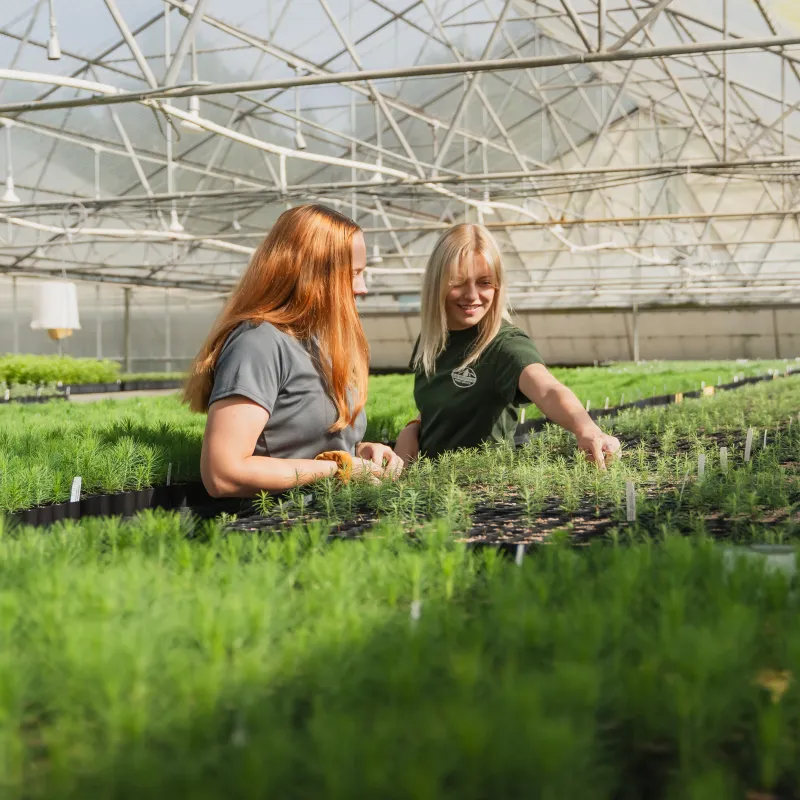
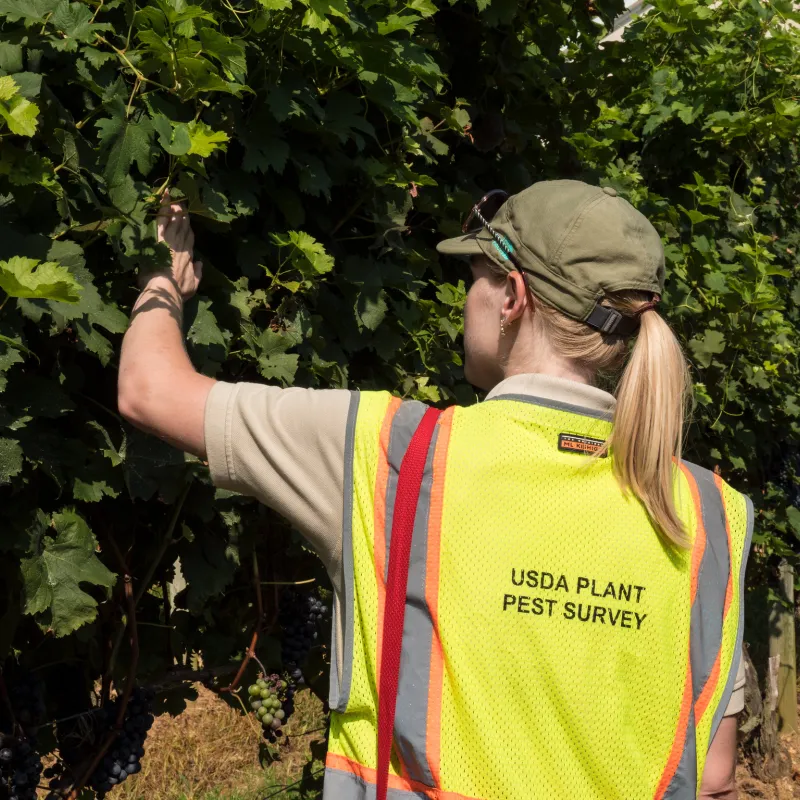
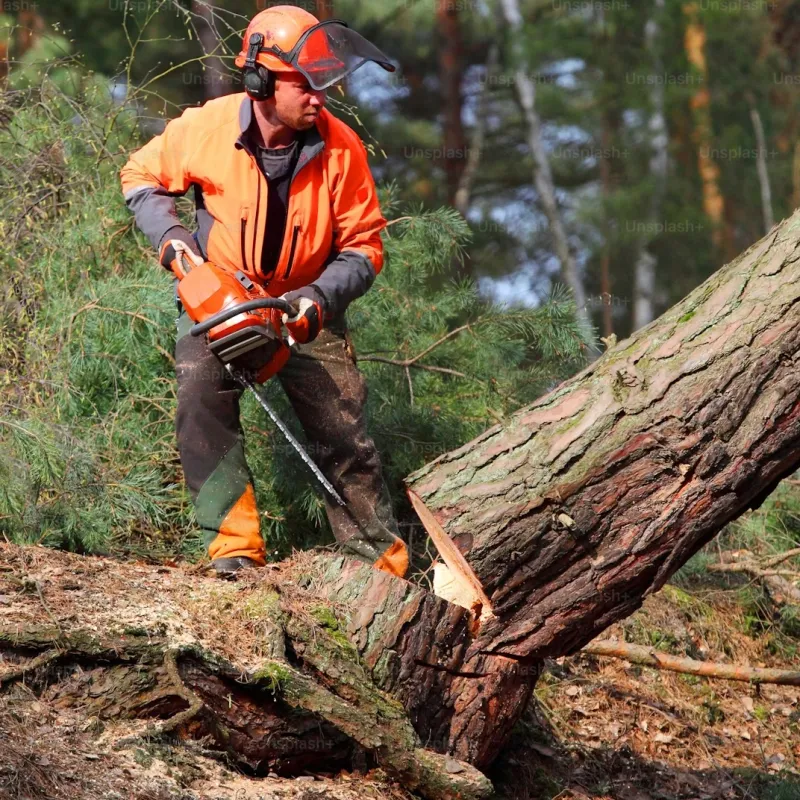
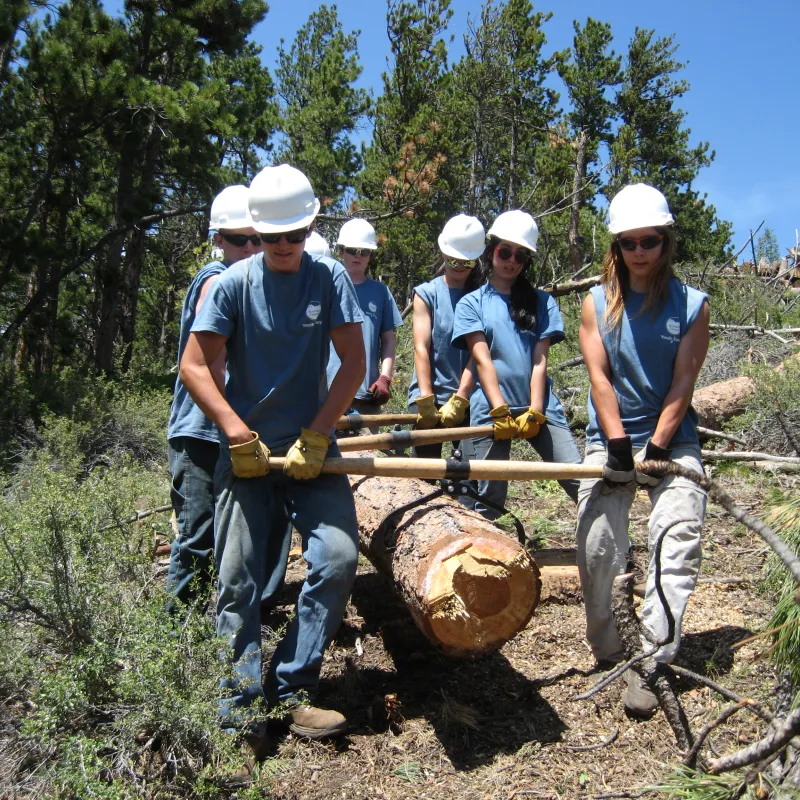
Entry-Level Careers - No Degree Required

Careers That Require Degrees
If you're thinking long-term, several careers in forestry and natural resource management require a college degree. In the past, you needed a degree specifically in Forestry but today many employers accept related degrees such as Environmental Sciences, Wildlife Biology, Ecology, Conservation, Ecosystem Sustainability, or Ecosystem Sciences as long as they include some courses in forestry, ecology and natural resources.
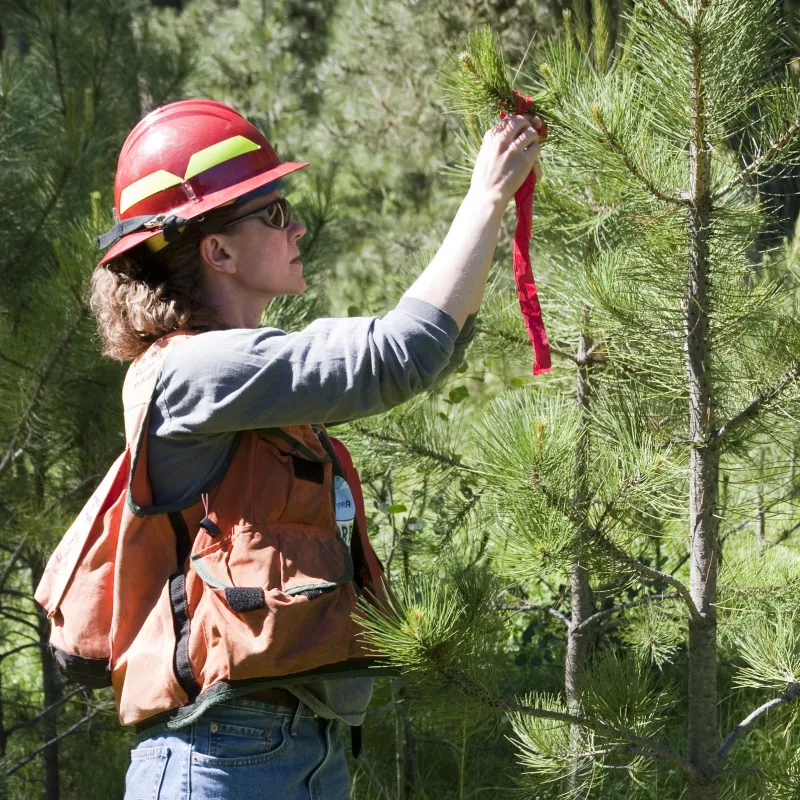
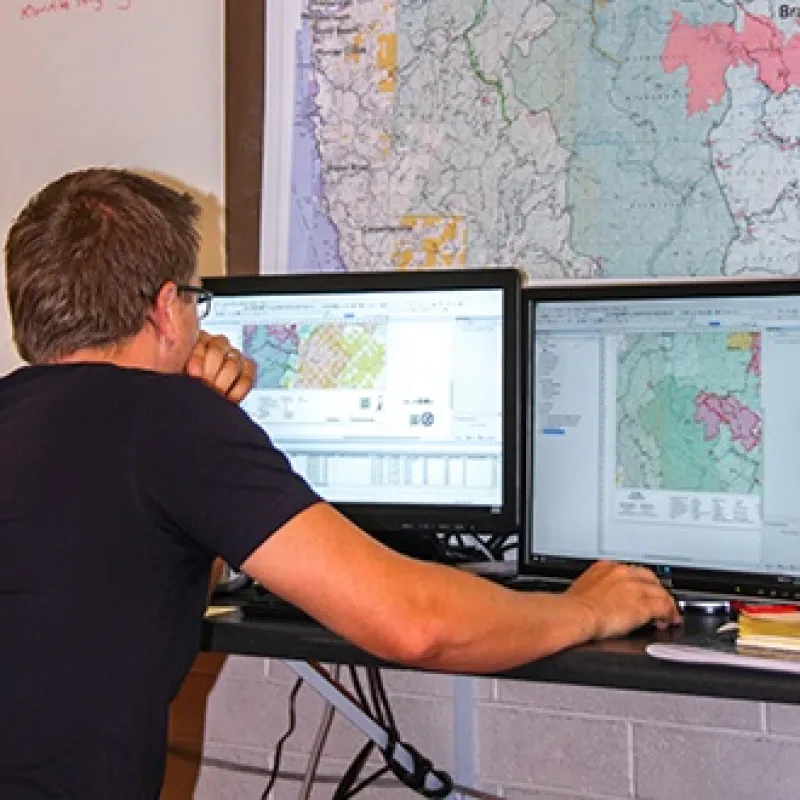
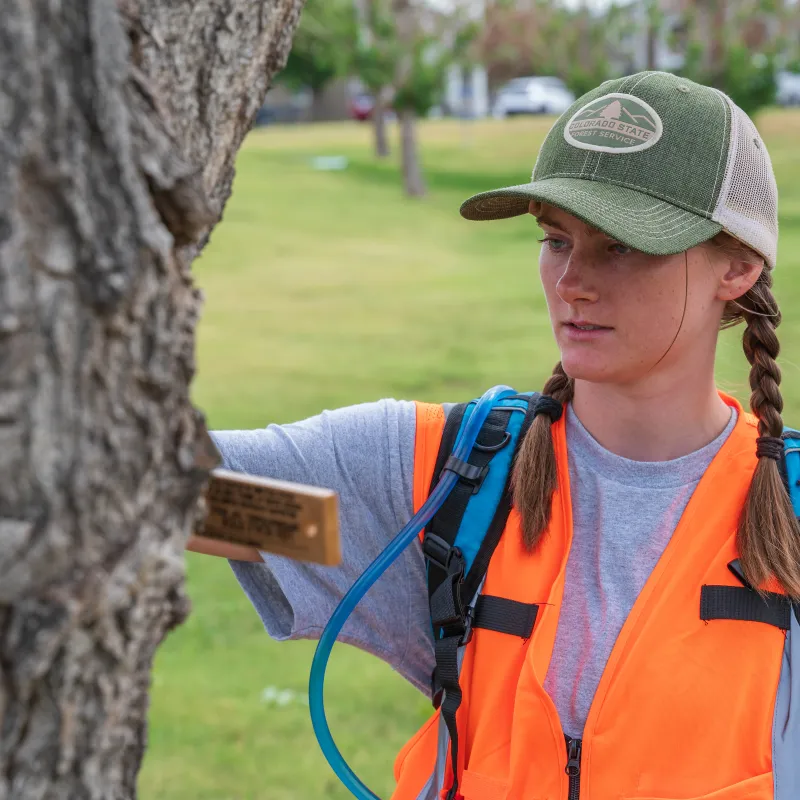
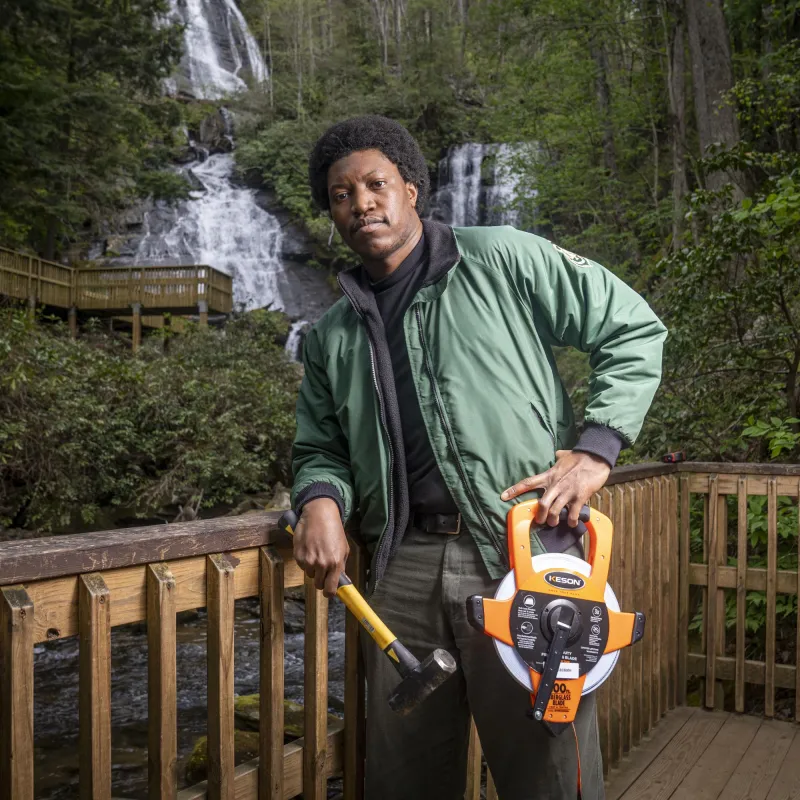
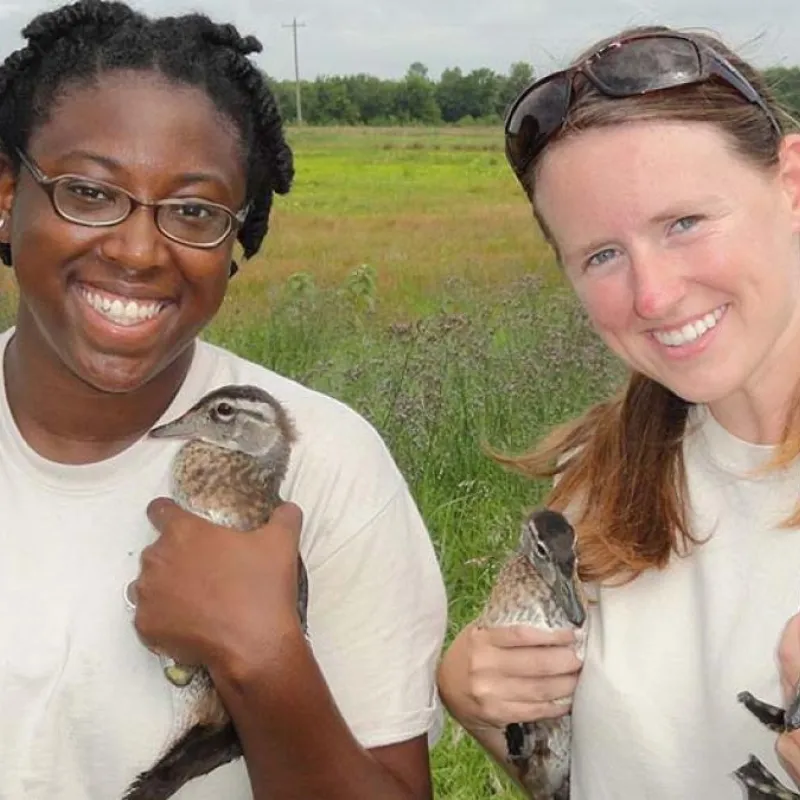
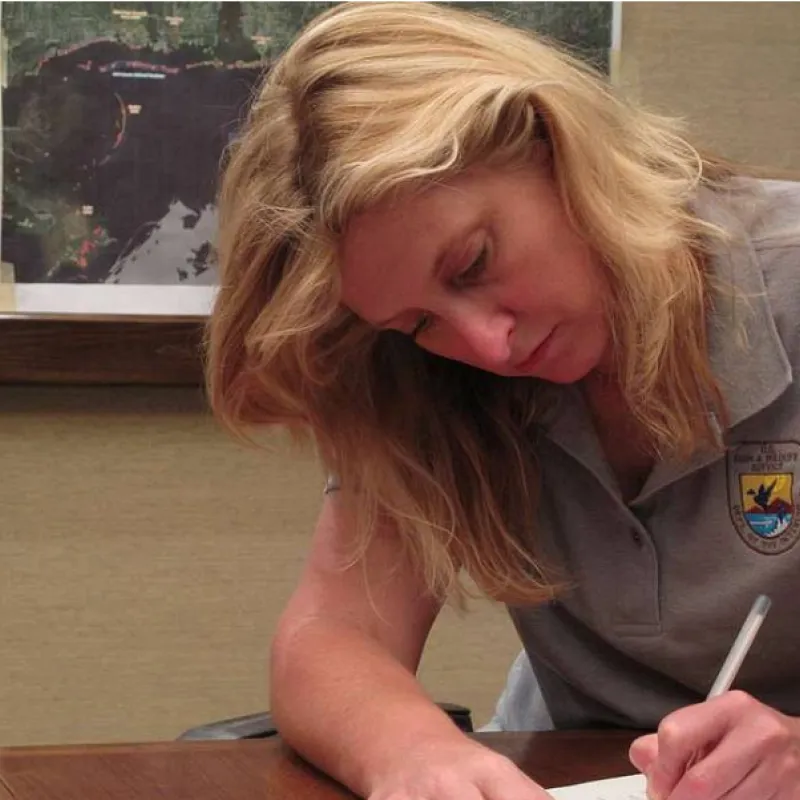
Higher Education Degrees
Some forestry jobs require an Associates, Bachelors, or even Masters or PhD.
Visit the Training & Education page to view related degree programs.
SAF-Accredited Programs
If you’re thinking about a career in forestry or natural resources, it’s important to know about SAF-accredited programs. The Society of American Foresters (SAF) accredits college and university programs that meet rigorous national standards for forestry and natural resources education. Earning and maintaining this accreditation requires an extensive review process to ensure programs provide high-quality, science-based instruction and practical field experience. While SAF accreditation was once a requirement for many forestry positions, today’s hiring landscape is more inclusive—recognizing a broader range of educational pathways—yet an SAF-accredited degree still offers a strong professional foundation and can give graduates an advantage when pursuing certification or competitive jobs.
There are four main types of accredited programs you could choose from:
- Forest Technology (2 years): Hands-on training to get into the field quickly, doing things like planting trees, managing timber, or helping with prescribed burns.
- Forestry (4 years or master’s): Focused on managing forests for wood, water, wildlife, and recreation.
- Natural Resources & Ecosystem Management (4 years): A broader approach that combines forestry with wildlife, fisheries, and watershed management to care for natural landscapes.
- Urban Forestry (4 years): Uses forestry skills in cities, working with green spaces to improve air and water quality, reduce heat, and create better places for people.
Some schools offer multiple options, but not all of them are accredited, so it’s a good idea to double-check with an academic advisor. Although not a requirement for all employers, choosing an SAF-accredited program can be helpful to be a more competitive applicant and meet eligibility requirements for employers that do require an SAF-accredited degree.
Find more information in The Society of American Foresters (SAF) College Guide
Field Operations & Climbing
Field Operations & Climbing (Entry-Level to Mid-Career)
- ISA Certified Arborist (ISA) – Broad credential for arborists working in urban or residential areas; often the starting point for professional tree care.
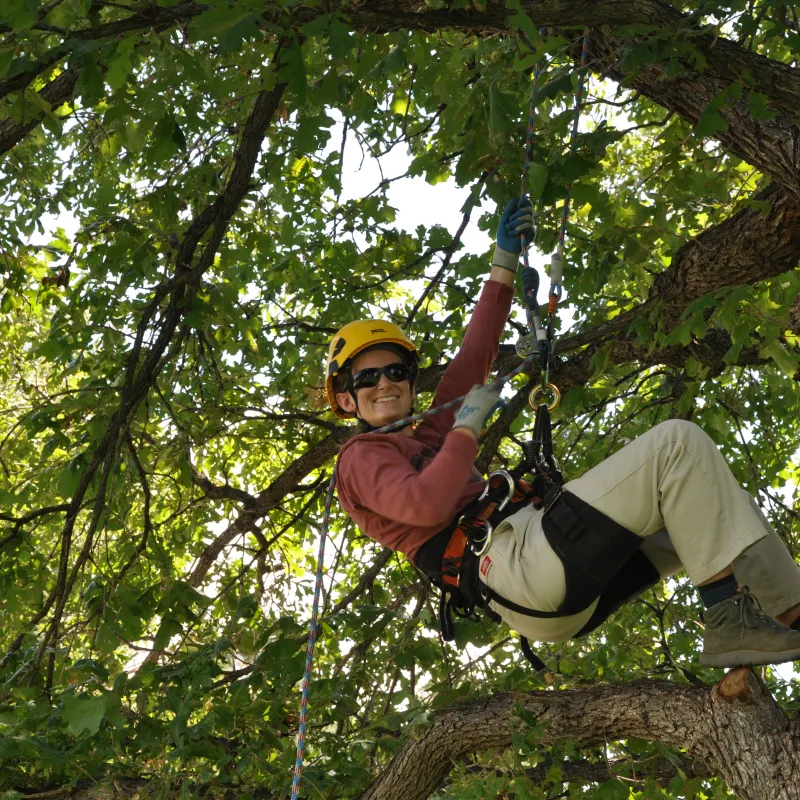
- Certified Tree Climber (ISA) – Entry-level credential validating safe and professional climbing and rigging techniques for hands-on tree work.
- Certified Tree Worker Aerial Lift Specialist (ISA) – Mid-career certification demonstrating proficiency in operating aerial lifts for tree care and safe practices above ground.
- Wilderness First Responder and/or CPR Certification - Training in how to handle medical emergencies. In a forestry career, these certifications are valuable because they ensure you can respond to injuries or emergencies in the field, keeping yourself and your team safe.
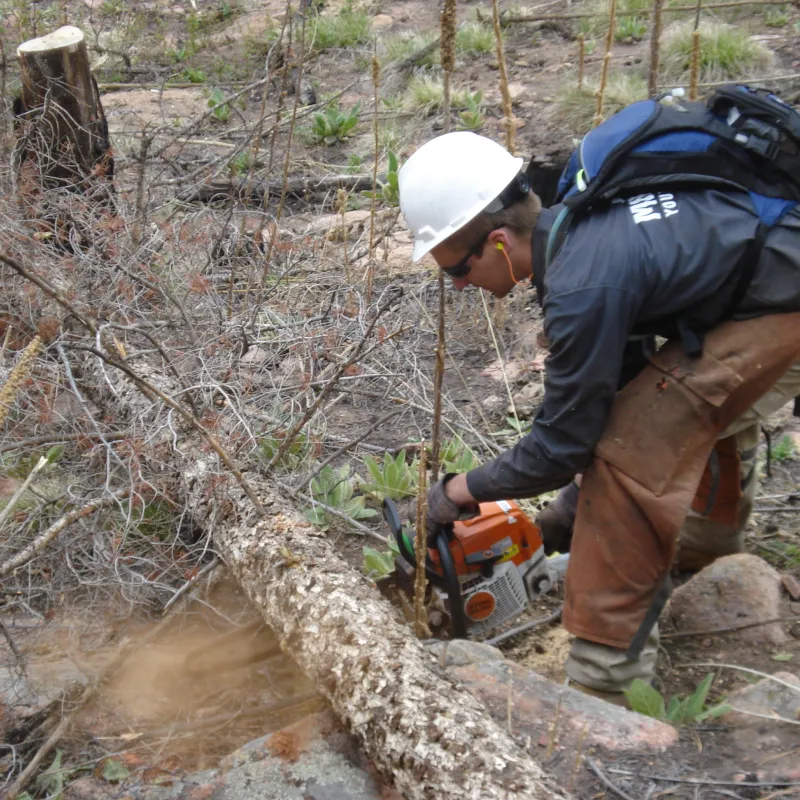
- Chainsaw/crosscut Certification - Credential demonstrating safe and effective use of chainsaws and hand tools for tree felling, climbing, and clearing; essential for fieldwork and timber management in forestry.
- Commercial Driver’s License (CDL) – Often required for entry-level to mid-career forestry and arboriculture jobs to operate trucks and equipment for transporting debris and machinery.
- Arborist Apprenticeships – In Colorado, the Tree Care Sector Partnership offers a three-year apprenticeship combining on-the-job training and coursework to prepare for ISA certification.
- Trail Management and Construction - A number of entities offer opportunities for education and training in planning, design, construction, maintenance, and heavy equipment operation for those seeking to become trail professions. Check out Trinidad State College which offers an Associate of Applied Science degree in Trail Management and Construction, Volunteers for Outdoor Colorado, the Trail Skills Project and the Colorado Association of Trail Stewards (CATS).
Urban Forestry & Planning
Urban Forestry & Planning (Mid-Career)
- Certified Urban Forest Professional (ISA) – For professionals specializing in planning, policy, and management of urban trees to support sustainable city environments.
- Certified Urban Forester (SAF) – Mid-career credential recognizing expertise in urban tree management, with emphasis on long-term planning and sustainability.
Utility & Risk Management
Utility & Risk Management (Mid-Career to Advanced)
- Certified Utility Specialist (ISA) – Focused on vegetation management along utility rights-of-way; often required for utility forestry positions.
- Tree Risk Assessment Qualification (ISA) – Specialized credential for assessing tree health and structural stability to identify potential hazards; common among consulting arborists and municipal foresters.
- Pesticide Applicator License (Colorado Department of Agriculture) – Required for anyone applying herbicides or pesticides in forestry or vegetation management.
Advanced & Leadership Credentials
Advanced & Leadership Credentials (Advanced)
- Board Certified Master Arborist (ISA) – The highest level of ISA certification, demonstrating advanced expertise across all areas of arboriculture; typically pursued after years of experience.
- Certified Tree Safety Professional (Tree Care Industry Association) – Advanced credential for leaders responsible for safety culture and practices within arboricultural operations.
- Registered Professional Forester (RPF) – In states that require it, licensure demonstrates professional competency for consulting and regulatory forestry; requires an accredited degree and professional experience.
- Certified Forester® (SAF) – Offered by the Society of American Foresters, this credential recognizes professional foresters who meet standards of education, experience, and ethics, with a commitment to continuing education.
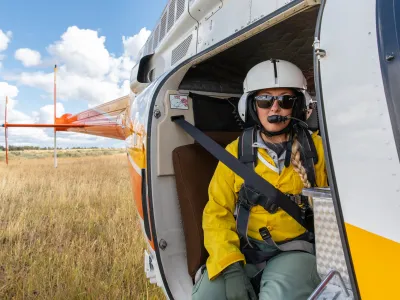
Wildfire Careers
Wildfire careers are an important and growing part of the broader field of forestry. These roles go far beyond fighting active fires - they include dispatchers who coordinate emergency response, prevention specialists who reduce risk before fires start, and restoration crews who help forests recover afterward. Together, these diverse career pathways play a critical role in protecting ecosystems, communities, and natural resources, offering many different ways to make an impact in forestry.
Federal Agencies
These organizations care for public lands across the country and often hire seasonal and entry-level workers.
- U.S. Forest Service – Manages national forests; hires trail crews, forestry technicians, and wildland firefighters
- National Park Service – Protects national parks and natural areas
- Bureau of Land Management – Manages public lands, including forests and rangelands
- U.S. Fish and Wildlife Service – Focuses on habitat and ecosystem conservation
State Agencies
These agencies work across the state to keep forests healthy and reduce wildfire risk.
- Colorado State Forest Service – Offers internships, field positions, and community forestry programs
- Colorado Department of Natural Resources – Supports statewide natural resource management
- Colorado Parks and Wildlife – Manages forests and wildlife habitat on state lands
Local Government
You don’t have to go far! Many forestry jobs exist right in your community.
- City forestry or urban forestry departments (like those in Denver and other cities)
- County open space and natural resource departments
- Fire departments and wildfire mitigation programs
- Parks and recreation departments
Private Businesses
These jobs are often hands-on and can be a great entry point after high school or with short-term training.
- Forestry and environmental consulting companies
- Tree care and arborist companies
- Utility companies (managing trees near power lines)
- Timber, logging and wood product companies
Nonprofits & Community Organizations
These groups focus on conservation, restoration, and education - and often offer volunteer or youth opportunities.
- National nonprofits such as The Nature Conservancy, American Forests, National Forest Foundation and Sustainable Forestry Initiative
- State nonprofits such as Colorado Tree Coalition, Volunteers for Outdoor Colorado, and Wildland Restoration Volunteers
- Local conservation groups, conservation corps, reforestation groups, watershed organizations, and land trusts
Find local opportunities
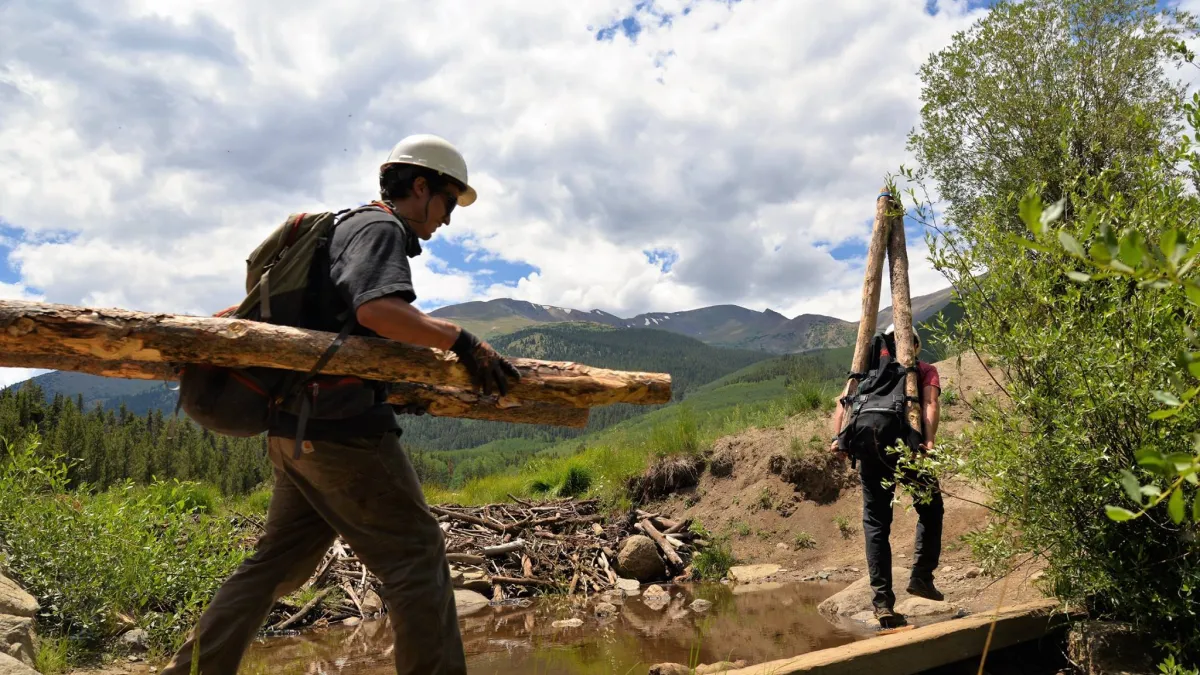
Rocky Mountain Youth Corps
Steamboat Springs, CO
Protecting the Natural World
Volunteer Positions, Paid internships, Seasonal Jobs
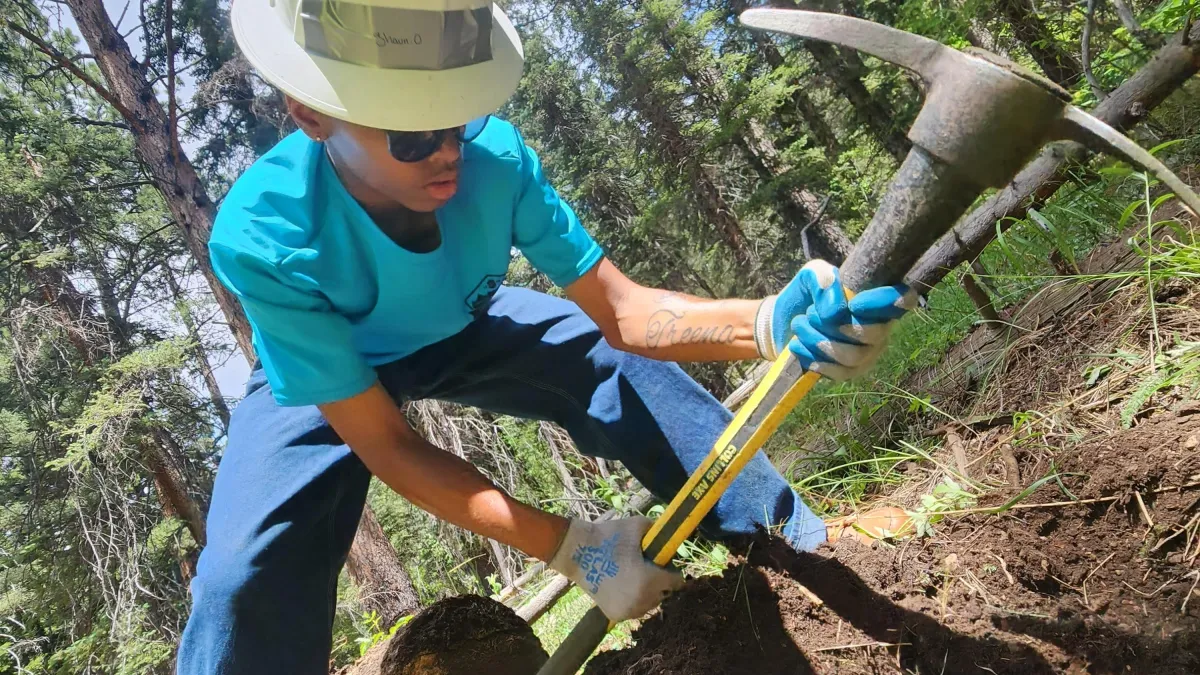

TeamWorks Conservation Corp
Nederland, CO
Protecting the Natural World, Connecting People with Nature, Investigating the Environment
Seal of Climate Literacy Project, Paid internships, Seasonal Jobs, Full-time Jobs
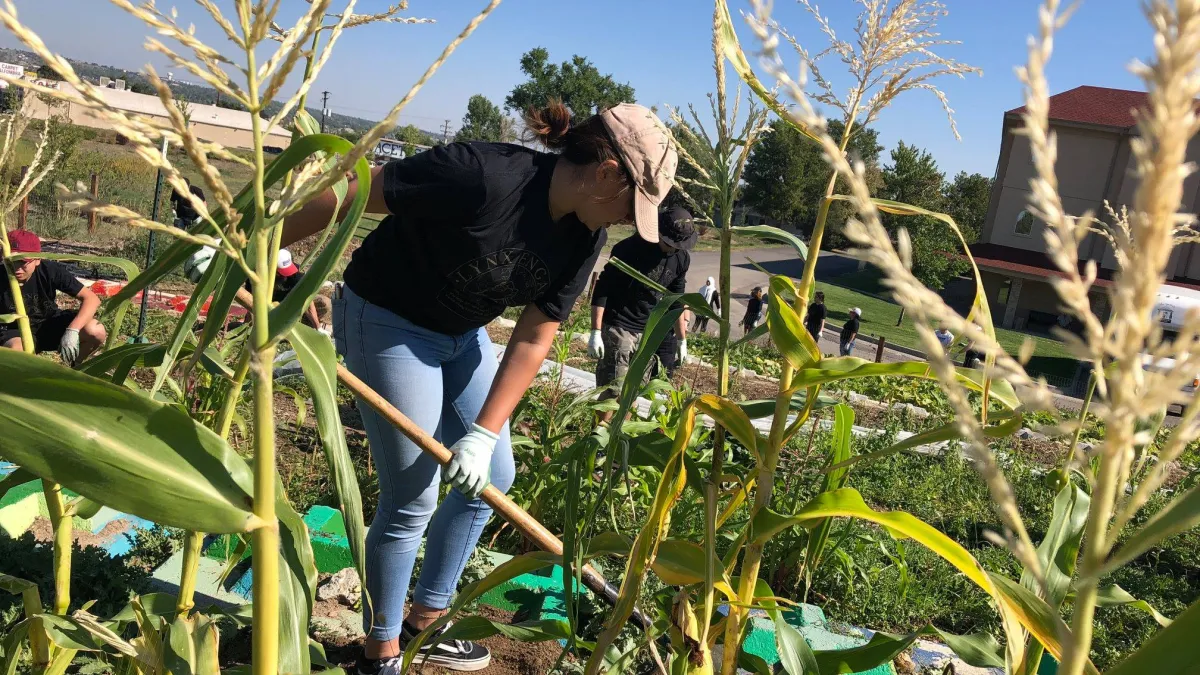
Groundwork Denver
Denver, CO
Protecting the Natural World, Investigating the Environment, Designing & Building Sustainably
Paid internships, Seasonal Jobs, Part-time Jobs
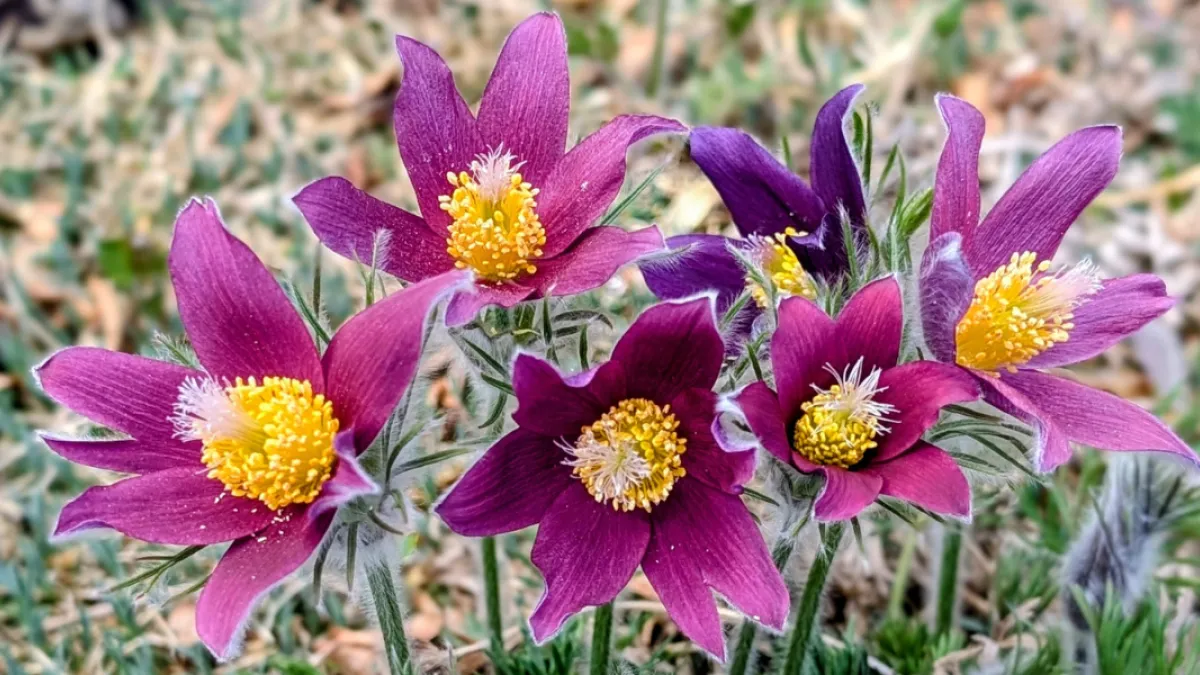

The Gardens on Spring Creek
Fort Collins, CO
Protecting the Natural World, Connecting People with Nature, Investigating the Environment, Designing & Building Sustainably
Learning Experiences, Recreational Experiences, Stewardship Experiences, Summer Camps, Volunteer Positions, Unpaid Internships, Paid internships, Seasonal Jobs
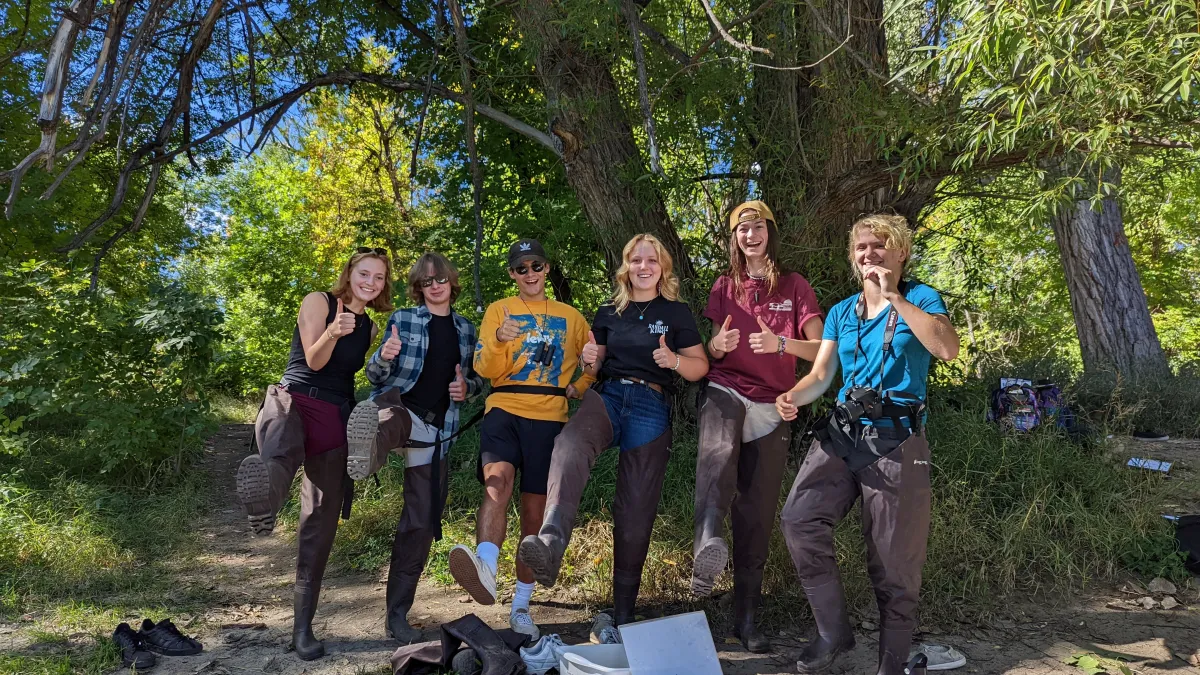

Futures Lab, Poudre School District
Fort Collins, CO
Protecting the Natural World, Investigating the Environment
Learning Experiences
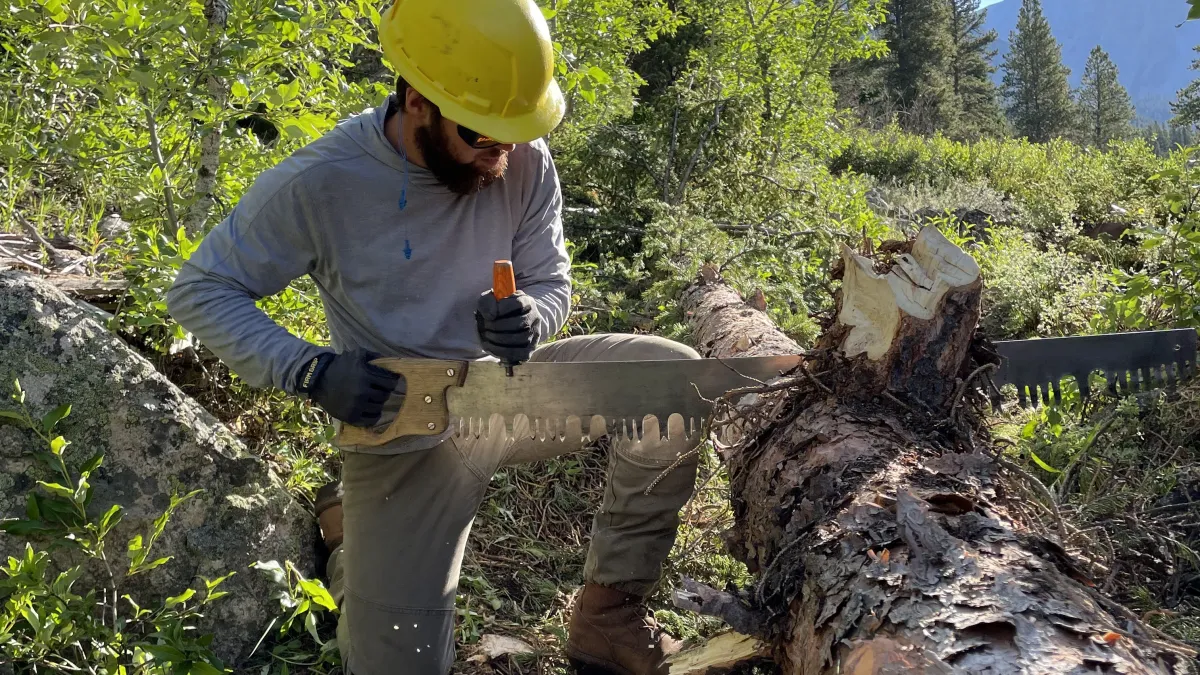
Western Colorado Conservation Corps
Grand Junction, CO
Protecting the Natural World, Connecting People with Nature, Investigating the Environment, Designing & Building Sustainably
Volunteer Positions, Paid internships, Seasonal Jobs, Full-time Jobs
City of Boulder Open Space and Mountain Parks
Boulder, CO
Protecting the Natural World, Connecting People with Nature, Investigating the Environment
Volunteer Positions, Seasonal Jobs

Denver Botanic Gardens
Denver, CO
Protecting the Natural World, Connecting People with Nature, Investigating the Environment, Designing & Building Sustainably
Summer Camps, Volunteer Positions, Unpaid Internships, Paid internships, Seasonal Jobs, Part-time Jobs, Full-time Jobs
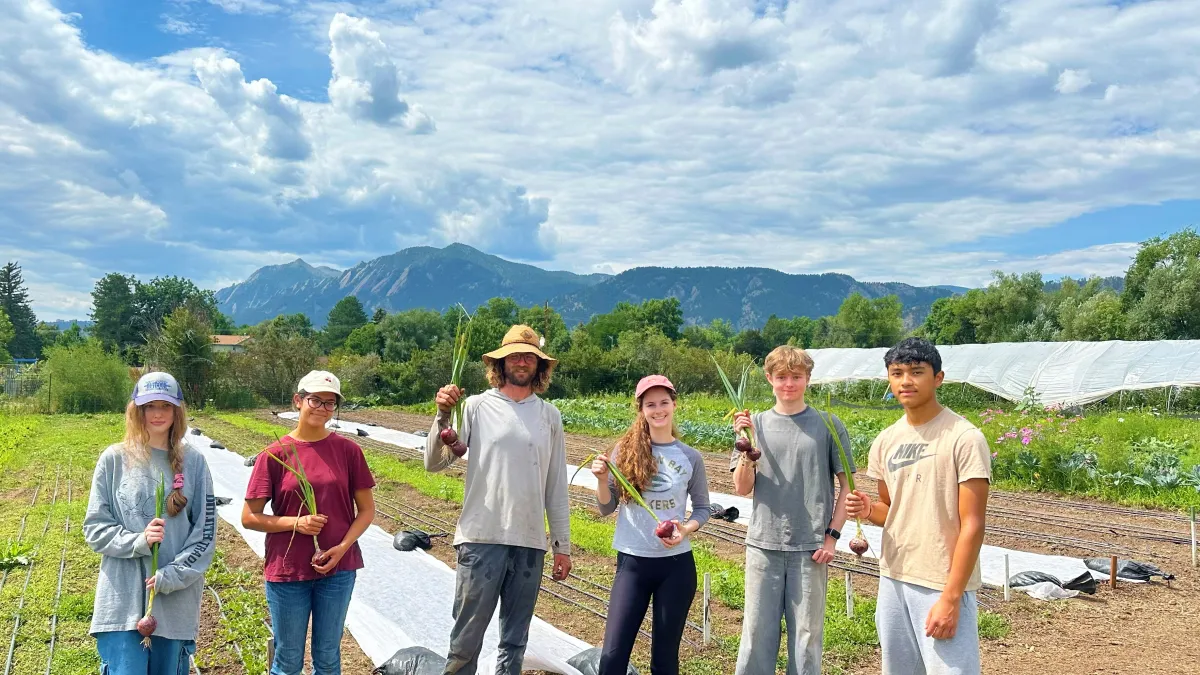

Growing Gardens
BOULDER, CO
Protecting the Natural World, Connecting People with Nature, Investigating the Environment, Designing & Building Sustainably
Stewardship Experiences, Summer Camps, Volunteer Positions, Unpaid Internships, Paid internships, Seasonal Jobs
Colorado State Forest Service
Fort Collins, CO
Protecting the Natural World, Investigating the Environment
Paid internships
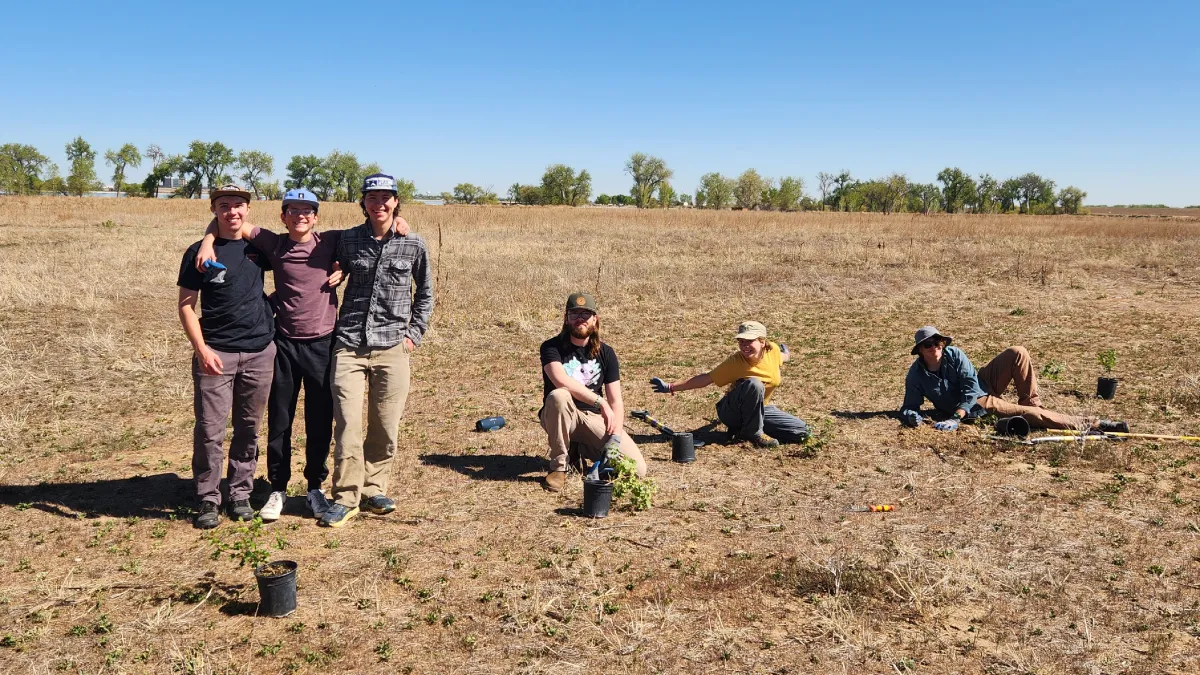
Wildlands Restoration Volunteers
Longmont, CO
Protecting the Natural World, Connecting People with Nature
Recreational Experiences, Stewardship Experiences, Volunteer Positions, Unpaid Internships, Paid internships
Southwest Conservation Corps
Salida, CO
Protecting the Natural World, Connecting People with Nature, Investigating the Environment
Seasonal Jobs
Fort Collins Natural Areas
Fort Collins, CO
Protecting the Natural World, Connecting People with Nature, Investigating the Environment, Designing & Building Sustainably, Shaping Policy
Clubs, Recreational Experiences, Stewardship Experiences, Volunteer Positions, Unpaid Internships, Paid internships, Seasonal Jobs, Part-time Jobs, Full-time Jobs
Walking Mountains Science Center
Avon, CO
Protecting the Natural World, Connecting People with Nature, Investigating the Environment, Designing & Building Sustainably
Clubs, Recreational Experiences, Stewardship Experiences, Summer Camps, Paid internships, Seasonal Jobs
Cal-Wood Education Center
Jamestown, CO
Protecting the Natural World, Connecting People with Nature, Investigating the Environment
Seal of Climate Literacy Project, Learning Experiences, Stewardship Experiences, Summer Camps, Volunteer Positions, Seasonal Jobs, Part-time Jobs, Full-time Jobs
Rocky Mountain Conservancy
Estes Park, CO
Protecting the Natural World, Connecting People with Nature, Investigating the Environment
Recreational Experiences, Stewardship Experiences, Paid internships, Seasonal Jobs, Part-time Jobs, Full-time Jobs
Colorado Parks and Wildlife
Denver, CO
Protecting the Natural World, Connecting People with Nature, Investigating the Environment
Recreational Experiences, Stewardship Experiences, Volunteer Positions, Paid internships, Seasonal Jobs, Part-time Jobs, Full-time Jobs
Learn More
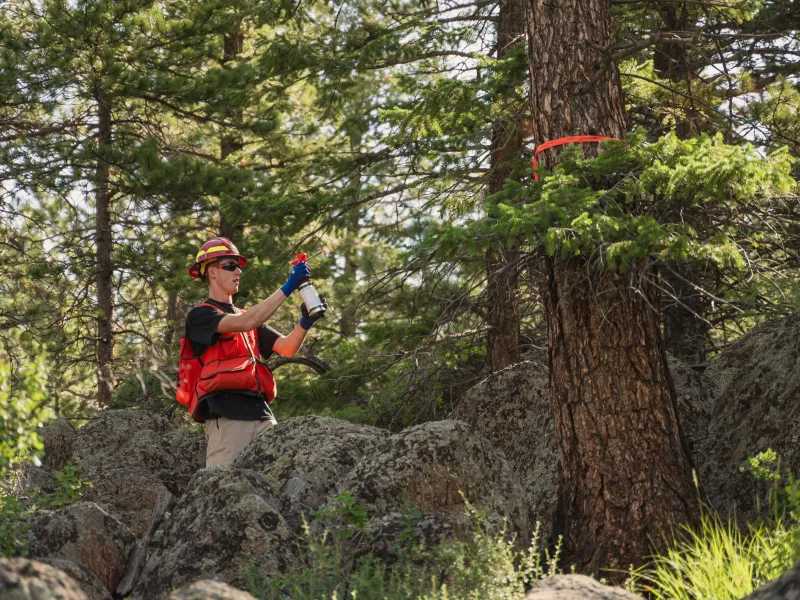
Forestry Careers Beyond the Federal Government
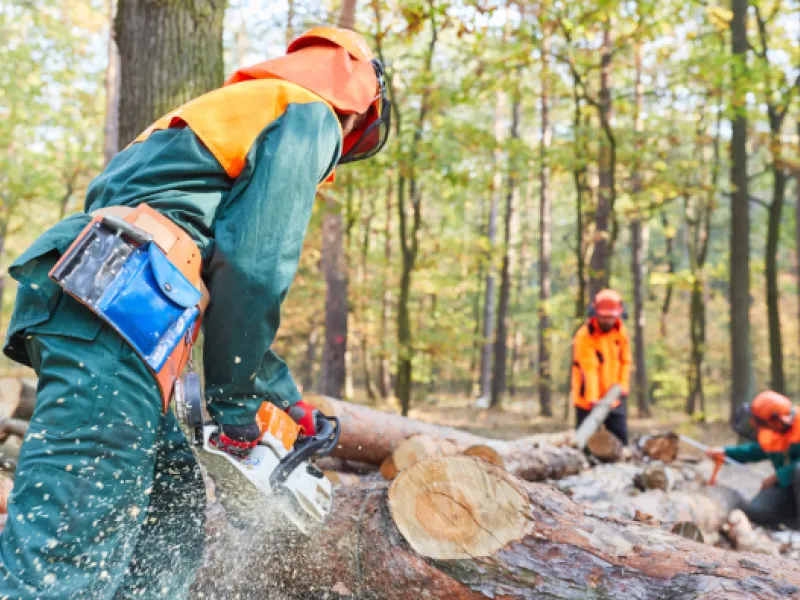
Agriculture, Logging, and Forestry Industries: Self-Reported Highest Levels of Happiness and Lowest Levels of Stress
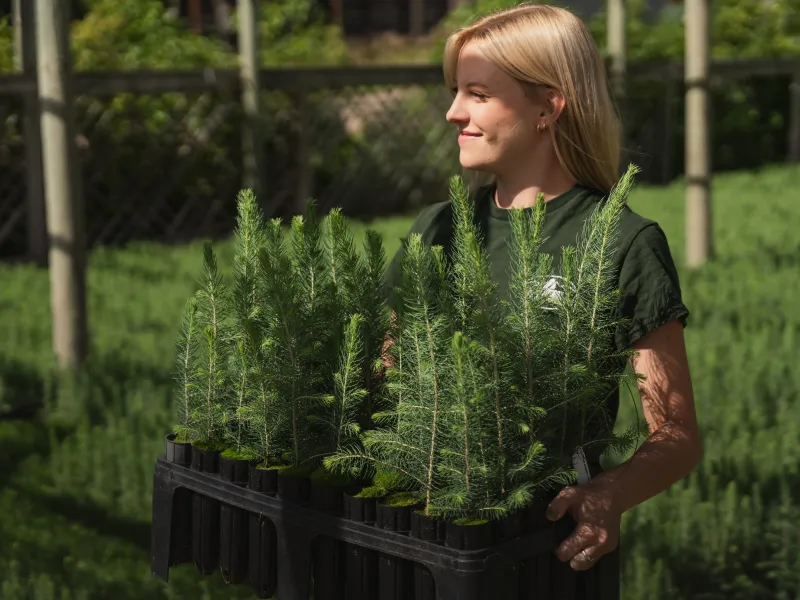
Volunteer and Internship Opportunities at the Colorado State Forest Service Nursery
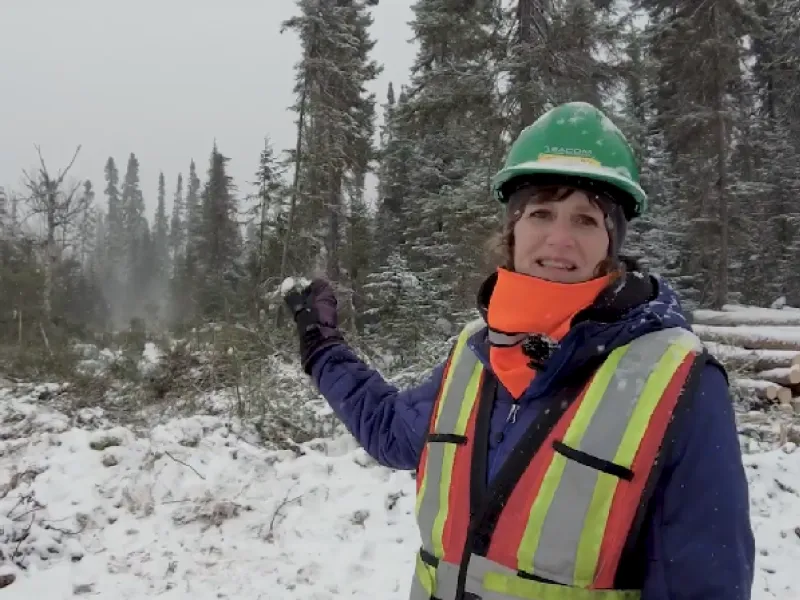
What's it like to be a Chief Forester?
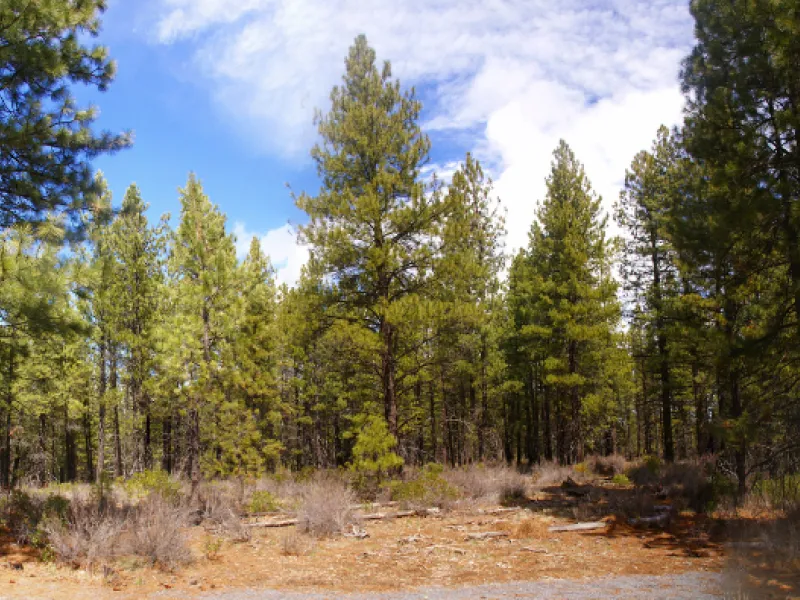
Colorado Forestry Businesses
Forests FM: Colorado State Forest Service Podcast
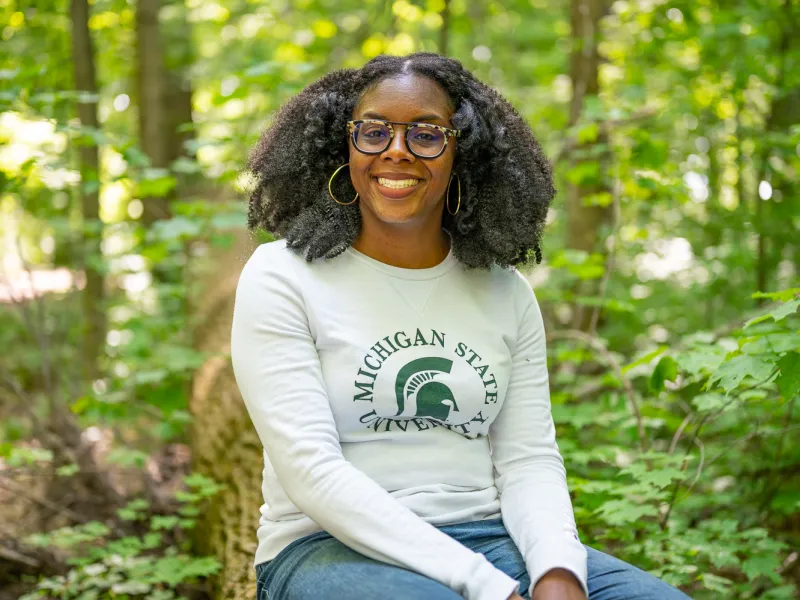
Black Faces in Green Spaces: The Journeys of Black Professionals in Green Careers
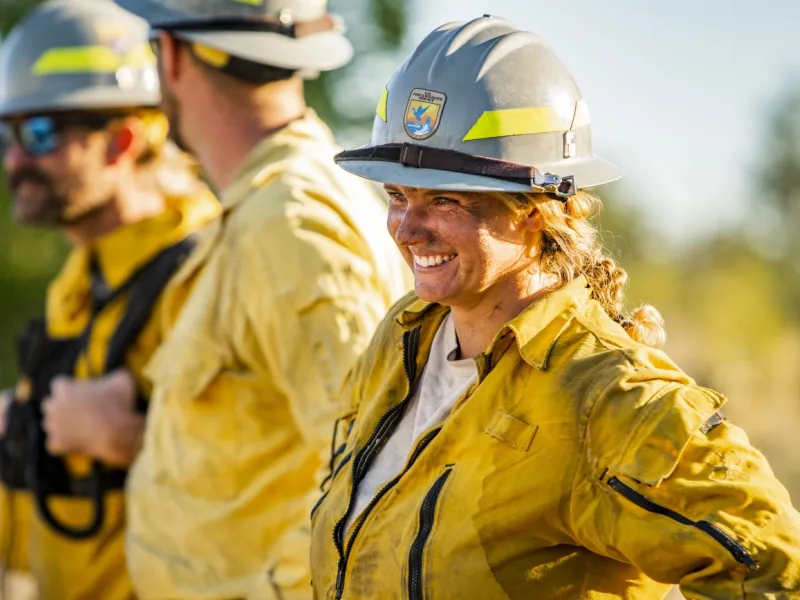
Conserving Wildlife and Habitats through Wildland Fire - Jobs with the US Fish and Wildlife Service